
Water Damage, Mold & Insurance Guides
Straight answers for Washington DC homeowners — what to do first, what insurance covers, and how the restoration process actually works in a row house or condo.

What Is Overhead and Profit on a DC Insurance Estimate?
Overhead and profit is a line on the estimate, not a favor. Here is what it pays for, why no District decision settles whether it is owed, and what to ask for in writing.
READ
Water Damage Claim Denied in DC: What the Statute Says
A refusal and a reduced estimate are different documents. Here is what the District's claim settlement statute lists, the threshold it sets, and what a written request can ask for.
READ
How Long Water Damage Restoration Takes: Mitigation and Rebuild
One water loss, two documents, two schedules. Here is what the drying scope covers, where it stops, and what the District rebuild is actually waiting on.
READ
Why Is Water Mitigation So Expensive? What a DC Invoice Counts
A mitigation invoice is a measurement, not a menu. Here is what each unit is counting, what ends the equipment count, and which document sits behind every line.
READ
Carrier Estimate vs. Contractor Invoice: Line by Line in DC
Two documents for one water loss, and they do not agree. Here is the method for sorting the difference into four kinds, and the short written list that goes back.
READ
Do You Have to Use Your Insurer's Preferred Contractor in DC?
A preferred vendor program is a commercial arrangement between an insurance company and a contractor. Here is what the District's regulator publishes about choosing one, what we could not find in District law, and what to ask in writing.
READ
What a DC Restoration Contractor Cannot Do on an Insurance Claim
The District bars anyone from acting as a public insurance adjuster without a license. Here is what that leaves a restoration contractor doing, and who does the other half.
READ
The Water Loss Claim File a DC Condo Board Should Hold
One water loss in a managed District building produces one claim and several units' worth of record. Here is what the file should hold, unit by unit, and what to settle before the crews leave.
READ
How to File an Insurance Complaint With DISB: What to Attach
A regulator complaint is a paperwork exercise. Here is what the District's insurance agency reviews, what it will not do, and the documents that show the gap.
READ
The Appraisal Clause When a DC Claim Dispute Is About Amount
An appraisal settles how much, not whether. Here is what the standard clause says, what the District's court has said about its limits, and how to tell which kind of disagreement you actually have.
READ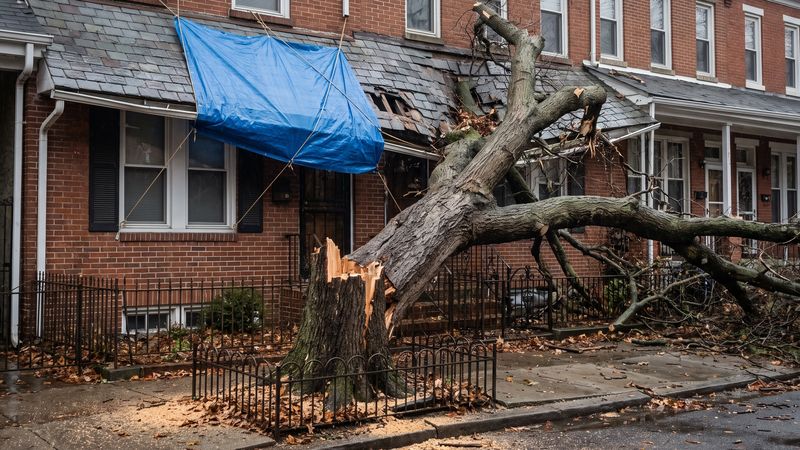
A Tree Fell on Your DC House: Street Trees, Special Trees and Who Pays
Street tree, Special Tree or the neighbor's ordinary oak: the answer changes who cuts it and who pays. What to do in the first hour, and the order after that.
READ
Water Losses in DC Embassies and Chanceries: Access, Security and Sequencing
In a chancery the water is the easy part. Entry, escorts and photography rules set the schedule, and the facilities managers who plan them win back hours.
READ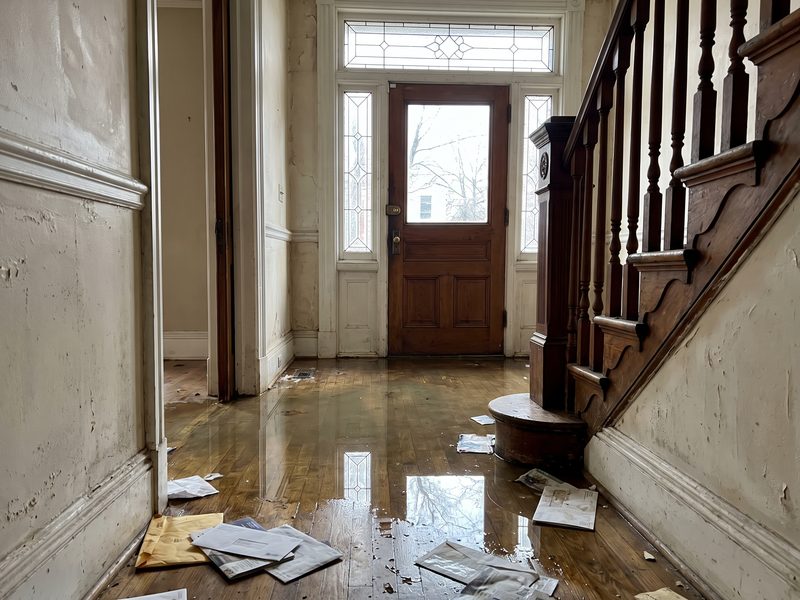
Pipes Burst While You Were Away: DC Vacancy Clause and Unoccupancy Rules
A burst pipe in an empty DC row house is where carriers look hardest. What the vacancy conditions say, and the record that answers them.
READ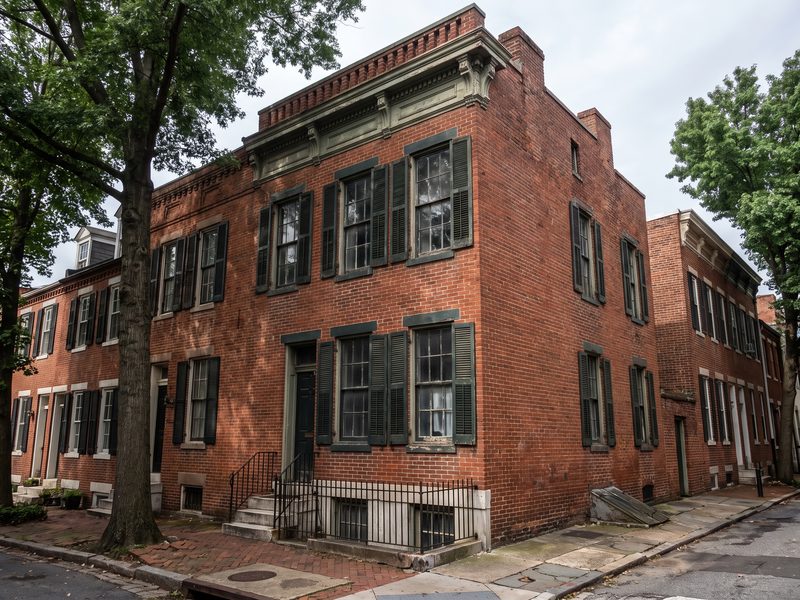
Water Damage Repair in a DC Historic District: What Gets Reviewed
Exterior repairs that change what the street sees go through design review. Interior drying usually does not. Here is where the line sits after a water loss.
READ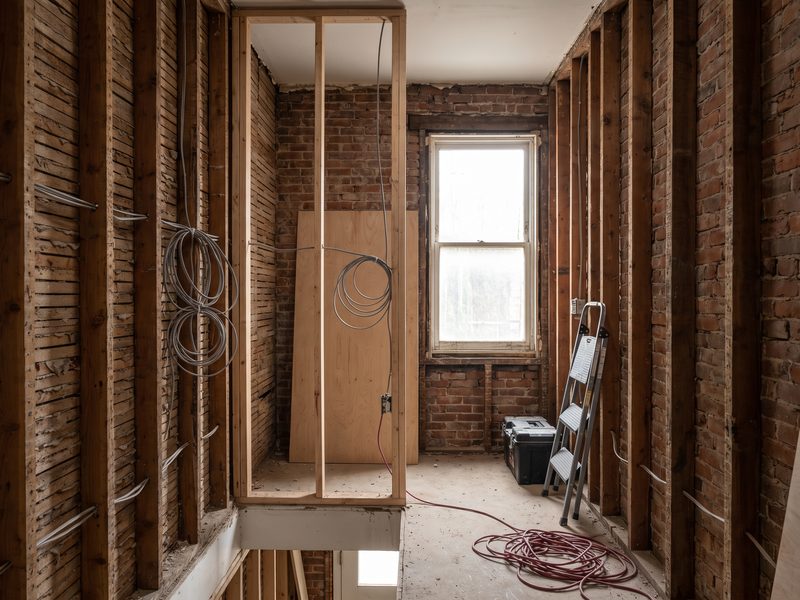
Do You Need a DC Permit to Repair Water Damage? A Decision Tree
Drying does not need a permit. Putting the house back together often does. Here is how the line falls in the District, and who is supposed to pull it.
READ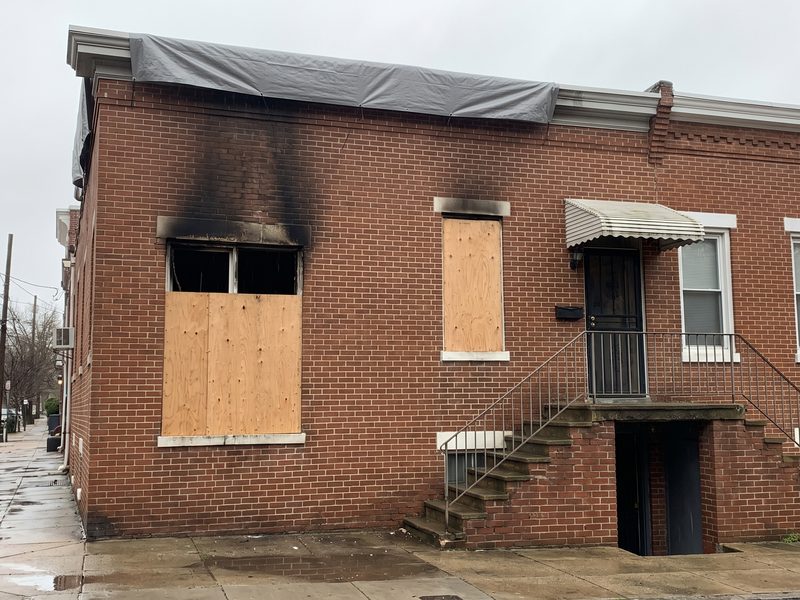
After a DC House Fire: The First 72 Hours, and Why the Water Damage Comes Next
Hose water travels down through a row house long after the fire is out. Here is the order of work in the first 72 hours, and who decides what.
READ
Loss Assessment Coverage: When Your DC Condo Association Bills You for the Leak
When a building leak hits the common elements, the association's bill can land on every unit owner. Here is the policy line that absorbs it.
READ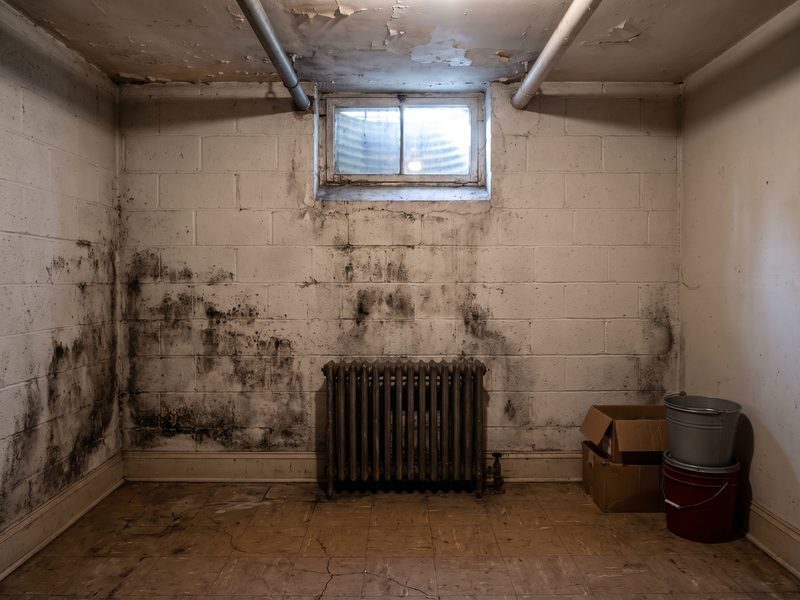
Mold in a DC Rental: The Landlord's Legal Clock and What Tenants Can Do
Written notice is what starts the District's mold clock. Here is what a housing provider owes, what a tenant can do next, and what both sides should record.
READ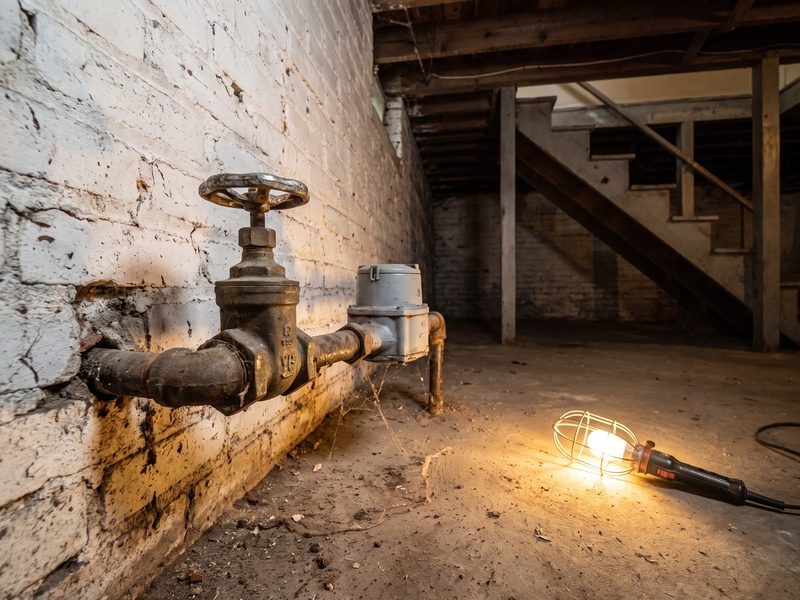
Where Is the Water Shutoff Valve in a DC Row House? Find It First
How to find the main water shutoff in a DC row house, English basement or condo unit, test it without breaking it, and label it so anyone home can use it.
READ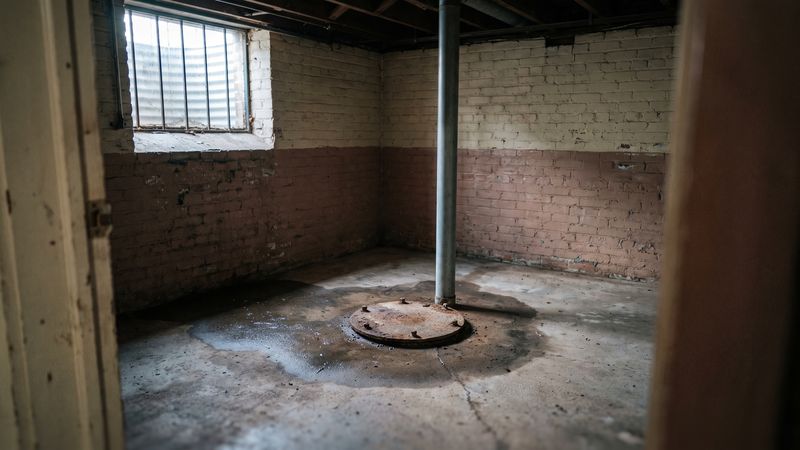
When a Sewage Ejector Pump Fails in a DC English Basement
Why a failed ejector pump in a below-grade DC bathroom is Category 3 water from the first second, what to stop doing immediately, and how the cleanup runs.
READ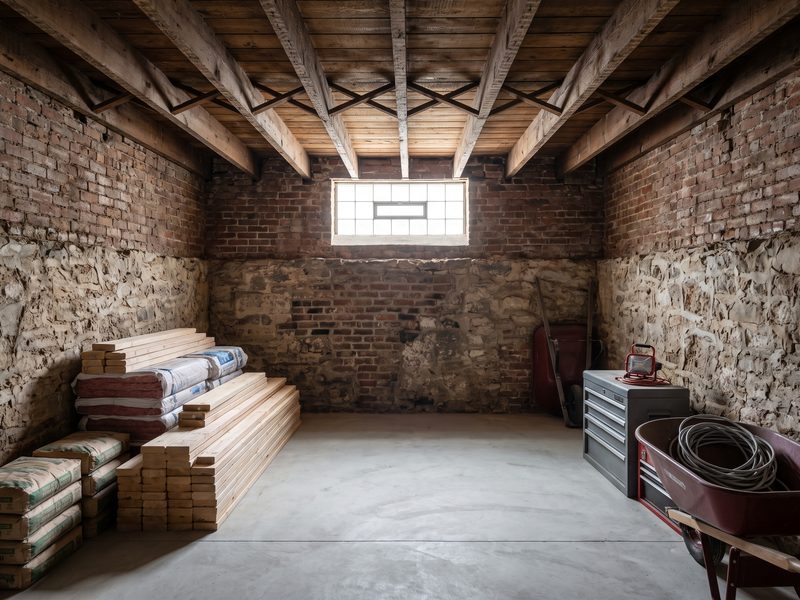
Rebuilding a Flooded DC English Basement Apartment: Egress and the C of O
Gut a flooded English basement and the rebuild stops being a repair. Egress, ceiling height and the certificate of occupancy all come back into play.
READ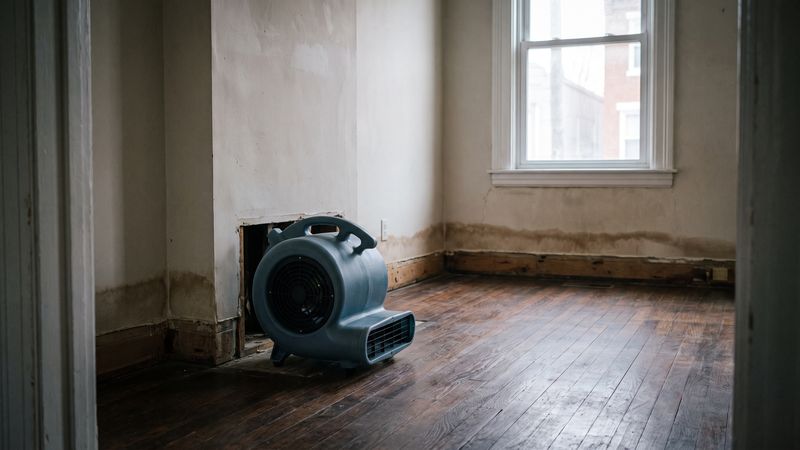
How Long a DC Water Damage Claim Takes, Start to Finish
Drying finishes in days. The claim finishes in weeks or months. Here is the whole sequence for a District property, stage by stage, and where it stalls.
READ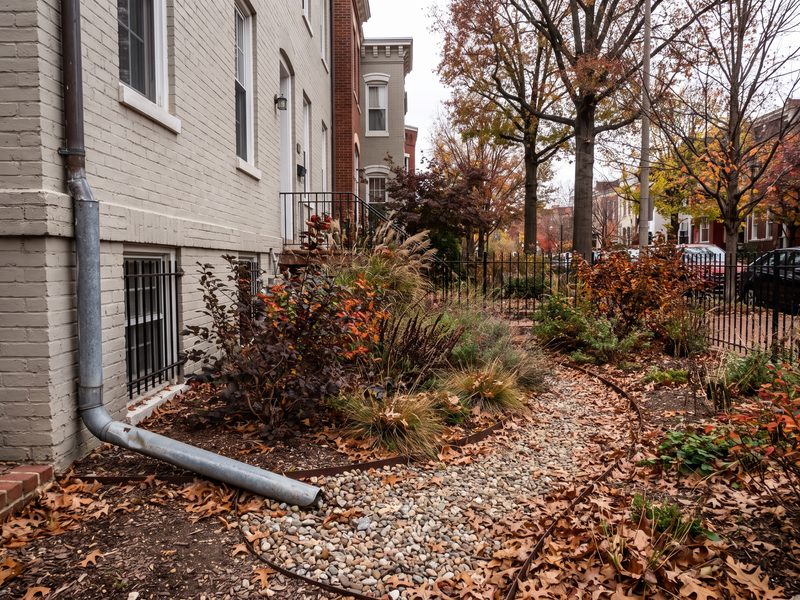
Is There a DC Water Basement Flooding Protection Program? Rebates Explained
The District runs several separate stormwater and flood programs through different agencies. Here is which one covers your address and what each pays for.
READ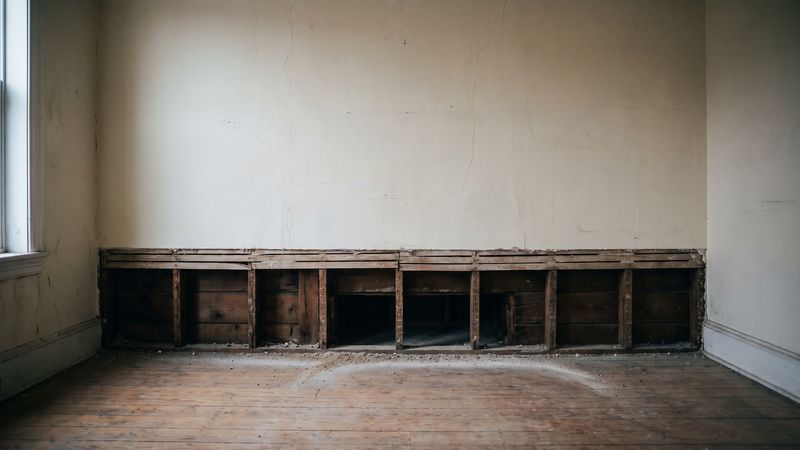
Flood Cuts in a Pre-1978 DC Row House: Lead-Safe Rules and the Asbestos Question
The same cut that is routine in newer construction becomes a regulated job in a row house built before 1978. Here is what happens before the saw.
READ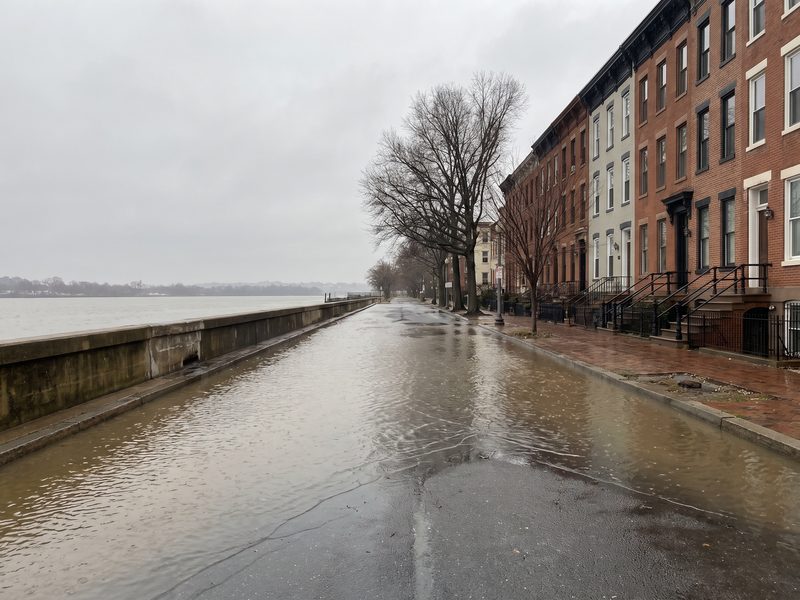
Am I in a DC Flood Zone? Reading FEMA Maps and the District's Own Flood Tools
A DC flood zone map covers river and tidal flooding. Most District basement water comes from rain and sewers. Here is how to find out which risk you own.
READ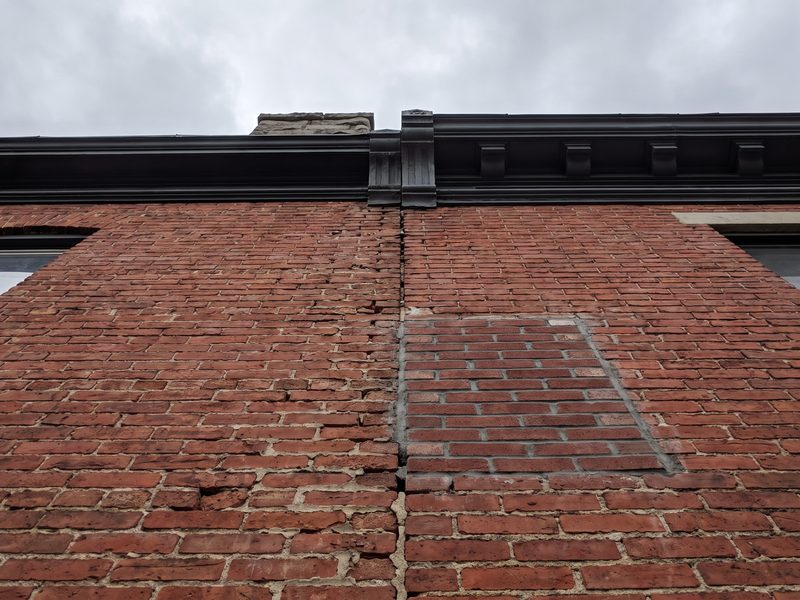
Party Wall Water Damage Between DC Row Houses: Whose Wall, Whose Policy
Water inside the wall you share with the house next door belongs to two owners at once. Here is how the source gets found and how the wall gets dried.
READ
What Drives the Cost of Mold Remediation in Washington DC?
Two quotes for the same room can look nothing alike. Here are the eight things that actually set a mold remediation price in the District.
READ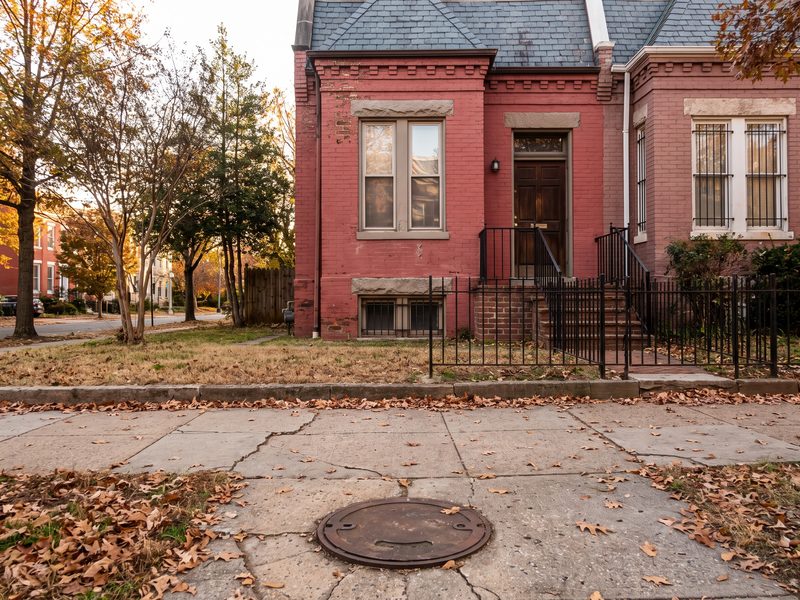
Who Is Responsible for the Water Line in DC? Supply Lines and Laterals
DC Water pays for work in public space and you pay for work on private property. On the sewer side, maintaining and clearing the lateral is the owner's job.
READ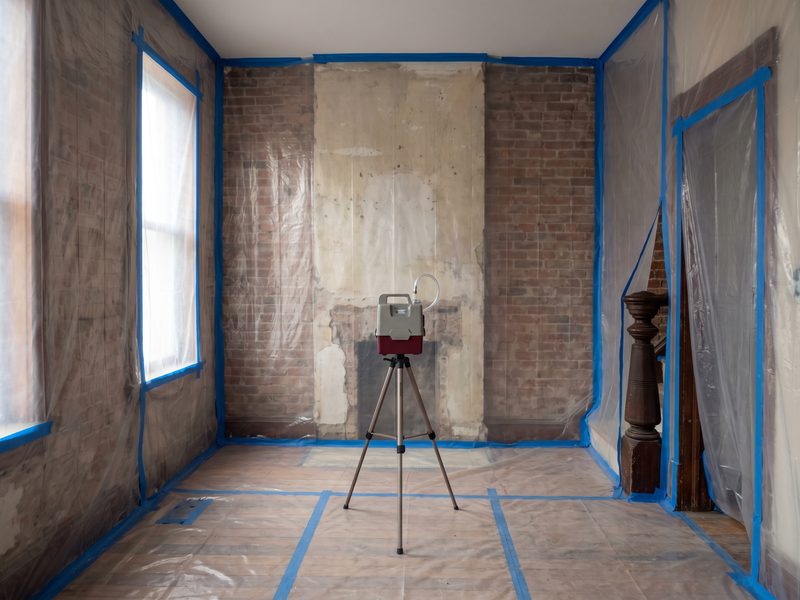
Mold Clearance Test in DC: Who Can Sign It and What It Proves
The document that closes a mold job belongs to the assessor, not the remediator. What a passing clearance establishes, and what it leaves open.
READ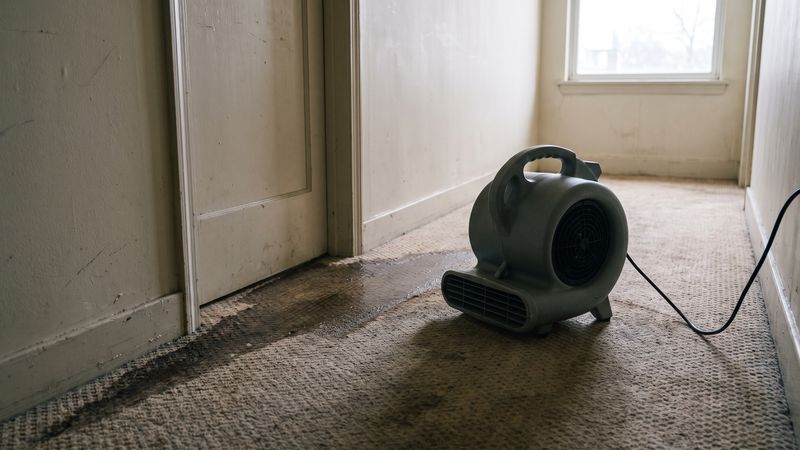
Co-op, Condo or Fee Simple: Who Pays for Water Damage in DC
A burst supply line takes three different paths depending on whether you hold shares, a deed to a unit, or the whole building. Here is how each works.
READ
Leaves, Areaways and Flat Roofs: A DC Fall Checklist That Prevents Winter Water
Nine things on a DC row house have to be right before the first hard freeze, and four of them do not exist on a detached suburban house at all.
READ
Who Pays the Restoration Company in DC: Deductible, ACV, RCV, Mortgage Check
The restoration company bills you, and reimbursement runs through your own policy. Here is where the deductible, the depreciation holdback and your lender sit in that sequence.
READ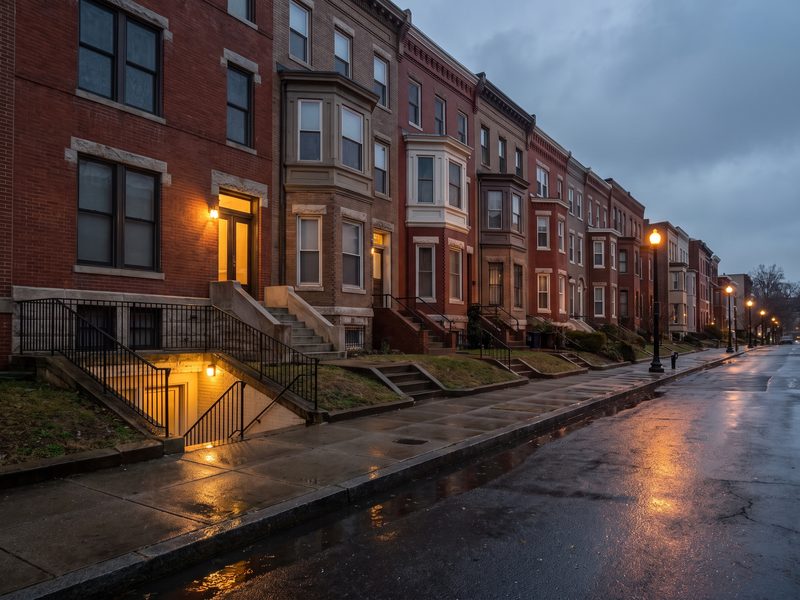
Did the Northeast Boundary Tunnel Fix Bloomingdale Basement Flooding?
The tunnel moved the odds for the low blocks in Bloomingdale and LeDroit Park. It did nothing for your backwater valve, your lateral or your areaway drain.
READ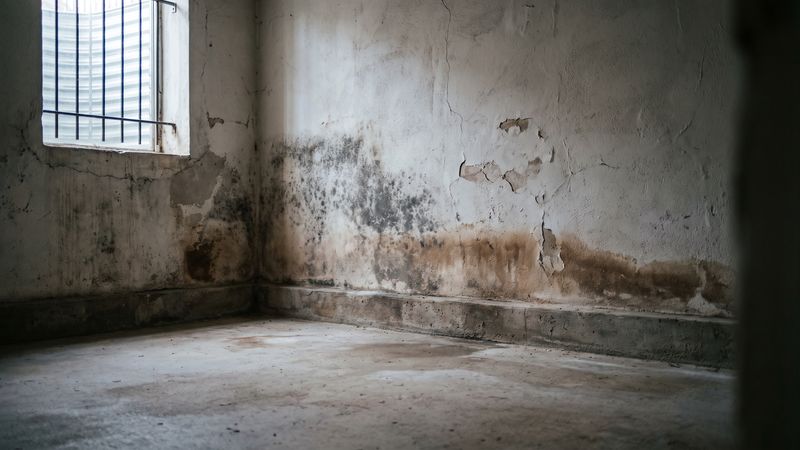
Does DC Require a License to Test or Remediate Mold? The DOEE Rules, Explained
The District licenses mold assessors and remediators separately through DOEE. Here is how to verify a contractor before you sign a work authorization.
READ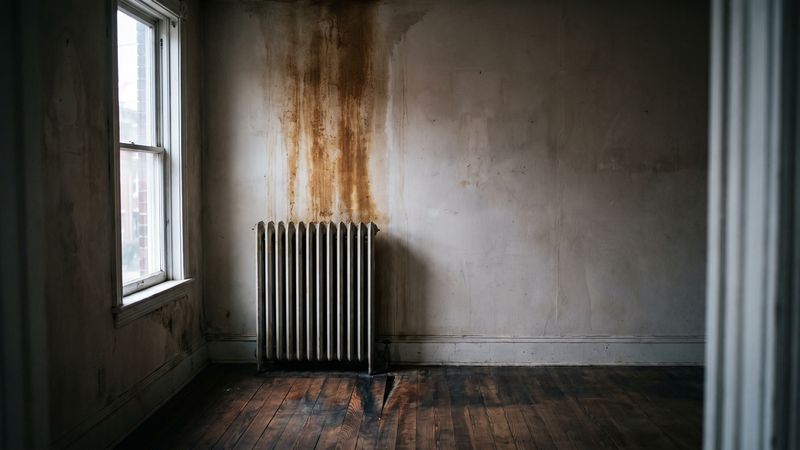
Radiator and Boiler Leaks in DC Row Houses: The Heating-Season Water Damage
Where steam and hot-water heat fails in an older D.C. row house, why the ceiling stain shows up two floors below the leak, and what to shut down first.
READ
Flood Insurance vs. Water Damage Coverage in Washington DC: What Each Policy Actually Pays For
A clear breakdown of flood insurance vs. water damage coverage in Washington, D.C. — what NFIP pays, what your homeowners policy covers, and which one responds when your row house or English basement takes on water.
READ
Do You Need a Sewer Backup Endorsement in DC?
Most standard homeowners and condo policies exclude sewer and drain backups entirely. Here's why a sewer backup endorsement is nearly essential for DC row houses and English basements — and how much it typically costs.
READ
Filing a Water Damage Claim as a DC Condo Owner: HO-6, Master Policy, and Documentation
Filing a water damage claim as a DC condo owner means untangling your HO-6 policy from the building's master policy. Here's how coverage, deductibles, and documentation actually work.
READ
English Basement Water Problems in DC Rentals and In-Law Suites
English basements sit below grade, which makes DC rentals and in-law suites uniquely vulnerable to groundwater and sewer backups. Here is how to spot the risk early and protect an occupied lower unit.
READ
How Fast Does Mold Grow After Water Damage in DC?
Mold can begin colonizing wet drywall, plaster, and framing within 24 to 48 hours of water damage. Here is why that window is even shorter in DC's older, humid homes — and what to do about it.
READ
Does Bleach Kill Mold on Drywall? The Honest Answer
Bleach looks like it works on moldy drywall, but it leaves the roots behind and can even feed regrowth. Here's the honest, science-backed answer and the S520 method that actually removes mold for good.
READ
Is Black Mold Dangerous? What DC Homeowners Should Know
Black mold can pose real health risks, but the fear often outpaces the facts. Here is what DC homeowners need to know about Stachybotrys, testing, and safe removal.
READ
Storm and Wind-Driven Rain Damage to DC Homes: What to Do When Summer Thunderstorms Get Inside
Summer thunderstorms drive rain into DC row houses through roofs, windows, and parapet walls. Here's how to stop the intrusion, dry the structure, and build a carrier-ready claim.
READ
Why Sump Pumps Fail During DC Storms — and How to Prevent It
Sump pumps fail in DC storms for predictable reasons — power outages, undersized pumps, and no backup or alarm. Here's how to prevent a flooded basement.
READ
Clean, Gray, and Black Water Explained for DC Homeowners
Not all water damage is equal. Here's how the three IICRC water damage categories — clean, gray, and black — change the response, the safety risk, and the cost in your DC home.
READ
The First 24 Hours After Water Damage in a DC Home
A step-by-step guide to the first 24 hours after water damage in a Washington, D.C. home — how to stay safe, stop the source, document properly, and start drying before mold sets in.
READ
How Long Does Water Damage Take to Dry in a DC Home?
Most water damage in a DC home dries in about 4.5 days with professional equipment — but old plaster, brick, and English-basement masonry can add days. Here's what actually controls the timeline.
READ
Cast-Iron Pipe Failure in Old DC Homes: Signs and Damage
Century-old cast-iron waste stacks in D.C. row houses corrode from the inside out, causing hidden Category 2 and 3 leaks. Here's how to spot failure early and what to do about the damage.
READ
Water Heater Burst in Your DC Home: First Steps and Cleanup
A burst water heater can dump 40 to 80 gallons into your basement in minutes. Here are the first steps, cleanup process, and insurance coverage you need in a D.C. home.
READ
Ceiling Leak in a DC Condo: Whose Responsibility Is It?
When water comes through your condo ceiling, responsibility splits between your HO-6 policy, the master policy, and the unit above. Here's how to sort it out fast.
READ
Flat Roof Leaks on DC Row Houses: Finding the Real Source
The ceiling stain from a flat roof leak on a DC row house is almost never below the actual breach. Here's how to trace water back to the real source on built-up and modified-bitumen roofs.
READ
Why Mold Grows in DC Row-House Basements (and How to Stop It)
DC row-house basements are humidity traps that feed mold on plaster, lath, and drywall. Here's why it happens below grade — and how proper S520 remediation (not bleach) actually fixes it.
READ
Sewer Backups in DC: Why the Combined System Floods Basements
A sewer backup in DC is usually driven by the city's aging combined sewer system, which mixes stormwater and sewage into the same pipes. Here's why English basements flood, how backwater valves stop it, and what safe Category 3 cleanup involves.
READ
Does DC Homeowners Insurance Cover Water Damage?
Sudden, accidental water damage is usually covered; gradual leaks, sewer backups, and flooding usually are not. Here's how DC water-damage coverage works and how to file a strong claim.
READ
Frozen Pipes in a DC Row House: How to Prevent, Thaw, and Recover
DC's freeze-thaw winters burst pipes along exposed party walls, rear additions, and kitchen back-walls. Here's how to prevent freezing, thaw a pipe safely, and recover from a burst.
READ
DC Basement Flooding: Causes, First Steps, and How to Prevent It
Clay soil, an aging combined-sewer system, sump-pump failures, and misdirected downspouts flood DC basements every storm season. Here's what causes it and how to stop it.
READ
Water Damage in DC Row Houses: Why It Happens and What to Do First
Party walls, aging plumbing stacks, flat roofs, and English basements make Washington DC row houses uniquely prone to water damage. Here's why — and the first moves that limit the loss.
READActive water, mold, fire, or sewage event?
Connect directly with the Restoration Doctor team for your region. Crews are on standby 24/7 with documented response protocols.