
Navy Yard Water Damage Restoration, Washington DC
Water damage restoration in Navy Yard DC looks nothing like the rowhouse work a few miles north. This is one of the District's newest neighborhoods — a riverfront district of glass-and-steel high-rise condos and apartment towers built largely in the last two decades along the Anacostia. The losses here are modern-building losses: a supply line or fire-sprinkler head fails on the twentieth floor and water races down through multiple units and shared shafts, or the river and its flat, low-lying edge push water toward ground-floor and below-grade parking during a major storm. Restoration Doctor answers Navy Yard around the clock and is equipped to work vertical, multi-unit losses inside occupied towers.
The building stock is new, but that does not make it immune — it changes the failure modes. High-rise condos concentrate dozens of units, elevators, and structured parking into one envelope, all fed by shared plumbing risers and, in many buildings, wet fire-suppression systems. When water gets loose high in the stack it can affect a vertical column of units in minutes and reach the garage levels below. We map these losses floor by floor with thermal imaging and moisture meters and coordinate with building engineers so we dry the whole affected column, not just the unit that called.
From the blocks around Nationals Park and the Yards to the Capitol Riverfront and the streets near the Anacostia waterfront, the sequence is fixed: shut the source, extract before water reaches units below, dry to a verified moisture standard, and document every reading for each affected policy. Here is how water actually behaves in Navy Yard's towers and along its riverfront.
How water damage behaves in Navy Yard
Anacostia riverfront and flat, low-lying ground
Navy Yard sits on flat, reclaimed ground right at the Anacostia's edge, which makes its lowest levels the neighborhood's flood exposure. During major storms and river rises, water pushes toward ground-floor lobbies, retail, and — most consequentially — the below-grade structured parking and mechanical rooms that modern towers depend on. Flooding a garage level can knock out elevators, pumps, and electrical gear along with the standing water itself.
River and storm water is Category 2 or Category 3, never clean Category 1, so we treat these riverfront events with extraction, removal of unsalvageable materials, and antimicrobial treatment under the proper protocols. Because the same storms threaten the building envelope, our storm-damage work coordinates the exterior entry point and the interior drying as one loss so we are not fighting water that keeps coming in.
High-rise stack and sprinkler losses
The signature Navy Yard loss is vertical. A supply line, a burst riser, or a discharged fire-sprinkler head on an upper floor releases water that follows the shared shafts and floor assemblies straight down, wetting a column of stacked units — sometimes a dozen floors — before it is shut off. Sprinkler water in particular can move fast volume in a short time.
We map the affected column with thermal imaging and penetrating meters, coordinate with the building engineer to confirm the source and isolate systems, and stage drying across every wet floor rather than the one unit that reported it. In a condo tower we keep the documentation clear about unit versus common-element damage so each owner and the association can submit to the correct carrier.
Multi-unit condos, parking levels, and mold
Because Navy Yard packs so many units and shared spaces into one building, a single failure becomes a multi-owner loss almost immediately, and the below-grade parking and mechanical levels concentrate both interior and storm water at the bottom of the structure. Even in new buildings, water trapped in wall cavities, under flooring, or in a damp garage grows mold if it is not found and dried quickly.
We dry to a verified standard with low-grain refrigerant and desiccant dehumidification and check hidden cavities with thermal imaging rather than assuming a new building dried itself. When we find growth we remediate under IICRC S520 with containment; when we are drying a fresh loss, verified drying is the defense against mold ever starting behind modern drywall.
Navy Yard housing stock and how it fails
Navy Yard is overwhelmingly new construction — mid- and high-rise condominium and apartment towers, most built from the mid-2000s onward, wrapped in glass and steel along the Capitol Riverfront. Instead of plaster and heart-pine, the finishes are drywall, engineered and hardwood flooring, and modern millwork, and the buildings concentrate many units into a single envelope with elevators, amenity floors, and multi-level structured parking below grade. The materials dry faster than century-old plaster, but the sheer number of stacked units and shared systems means a single failure has a much larger reach.
The defining infrastructure is vertical and shared: plumbing risers that serve a whole column of units, and, in most towers, wet fire-suppression piping under pressure. A failed supply line, a burst riser, or an accidentally discharged sprinkler head high in the building sends water down through floor assemblies and shared shafts into units far from the source. Below grade, the structured parking and mechanical levels sit at the neighborhood's lowest point and closest to the Anacostia, so they take both interior water from above and storm-driven water from the river. Working these losses means coordinating with on-site building engineers and management from the first hour.
Areas of Navy Yard we serve
Real Navy Yard blocks and buildings — and the water losses we most often see in each.
New high-rise condos and apartments along the river where stack and sprinkler failures drop water through multiple floors.
Modern towers near Nationals Park where shared plumbing risers can affect a vertical column of units.
Low-lying riverfront blocks where storm surge and heavy rain reach ground-floor and below-grade parking.
Mixed-use residential over retail where upper-unit losses drain into commercial and lobby space below.
Waterfront condos where modern appliance and supply-line failures affect stacked units.
Newer apartment and condo buildings where structured parking and lower levels take storm-driven water.
Documented project files
Real CompanyCam-documented Restoration Doctor work in the Washington, DC metro — every project photographed with date and time stamps.
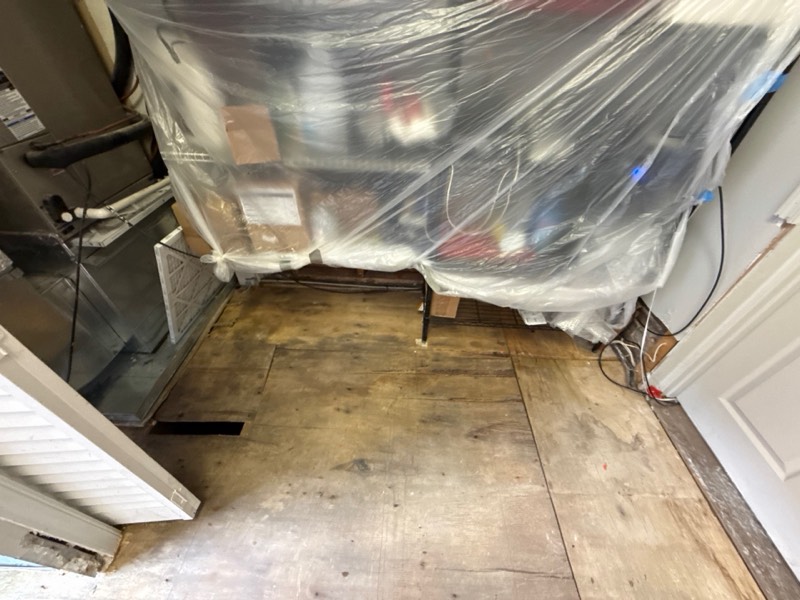
Emergency water extraction & dry-out — Washington, DC
Documented Washington, DC loss where standing water was extracted quickly and drying equipment was staged to the wet footprint to limit migration into adjacent space.
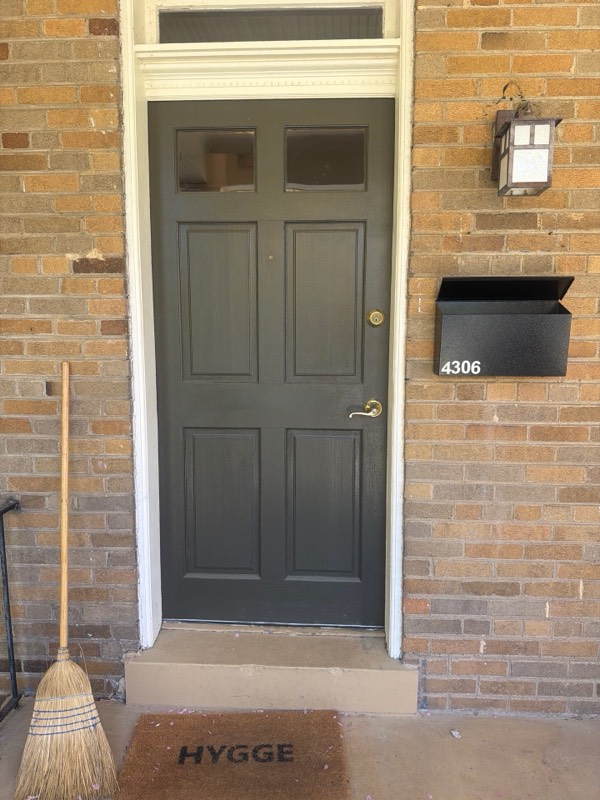
Residential water damage restoration — Washington, DC
A documented Washington, DC residential water loss carried from extraction through monitored drying to verified dry standards while keeping salvageable finishes in place.
Full restoration services in Navy Yard
One operation covers every category — from emergency mitigation to full reconstruction.
Water Damage Restoration
Extraction, structural drying, and moisture verification for pipe breaks, appliance leaks, and English-basement flooding across the District.
Sewage & Biohazard Cleanup
Category 3 black-water decontamination with full PPE, contaminated-waste removal, antimicrobial treatment, and verified drying after sewer backups and overflows.
Mold Remediation
IICRC S520 containment, HEPA filtration, safe source-based removal, and independent post-remediation clearance verification.
Fire & Smoke Damage Restoration
Soot and smoke-residue removal, source-based odor neutralization, contents pack-out, and preservation-sensitive reconstruction after a fire — performed to ANSI/IICRC S700, the fire and smoke damage restoration standard.
Storm Damage Restoration
Emergency tarping, water extraction, and reconstruction after wind, heavy rain, and the flash flooding DC's summer storms produce.
Reconstruction & Repairs
Drywall, plaster, flooring, cabinetry, trim, and paint — the same in-house crew that dried the loss rebuilds it, with no handoff and preservation-sensitive finish matching for District homes.
What Navy Yard homeowners look for
Navy Yard is a neighborhood of condo boards, professional building management, and owners who bought new — so a restoration company's reputation here runs through property managers and engineers as much as individual residents. What is worth documenting is whether the crew moved fast on a vertical loss, coordinated cleanly with the building, and kept the paperwork straight across every affected unit.
We do not print star ratings or review counts on this page. Our verified customer feedback lives on a separate reputation hub — visit RestorationDoctorsReviews.com to read Washington, DC reviews and the genuine Google aggregate for yourself, then come back here to book service for your Navy Yard home or unit. Keeping the numbers on a source-linked hub rather than typing them onto a marketing page is a deliberate honesty choice.
Frequently asked
Active water, mold, fire, or sewage event?
Connect directly with the Restoration Doctor team for your region. Crews are on standby 24/7 with documented response protocols.