
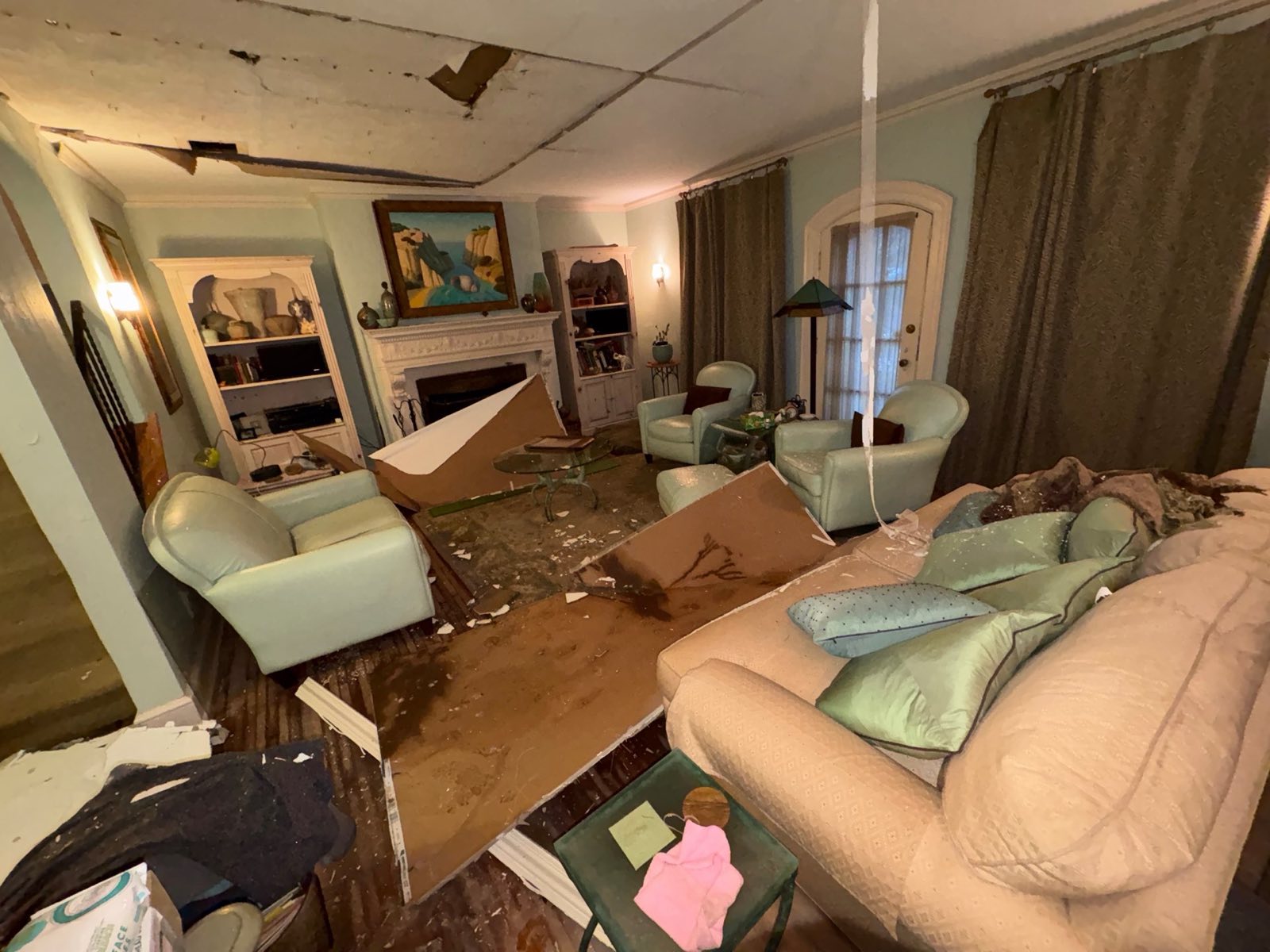
Water Damage Restoration on Capitol Hill, Washington DC
Water damage restoration on Capitol Hill DC lives and dies by how attached these homes are. The Hill is the largest historic district in the District — block after block of late-Victorian brick rowhouses standing shoulder to shoulder, sharing party walls, and stacked over deep English basements. When a pipe fails in one of these homes, the water does not politely stay put; it runs down through the floors and can wick sideways into the masonry you share with the house next door. Restoration Doctor answers Capitol Hill emergencies 24/7, and the first thing our crews do is establish where the water is actually going, not just where it is showing.
The Hill's housing stock is remarkably consistent and remarkably old, which is both a blessing and a liability. These 1880s–1910s rowhouses have generous ceiling heights, original wood floors, and plaster walls — beautiful, and unforgiving once wet. Below them sit English basements finished into apartments, offices, and rentals, and those below-grade spaces are where the neighborhood's most serious losses concentrate. A finished English basement that floods is a full restoration, not a quick dry-out.
From the streets around Eastern Market to Lincoln Park, Barney Circle, and the blocks sliding down toward the Anacostia, the playbook is fixed: kill the source, extract before old plaster and subfloor drink the water in, dry to a verified moisture standard, and document every reading for your carrier. Here is how water actually moves on Capitol Hill.
How water damage behaves in Capitol Hill
Combined sewers and cloudburst backups
Much of Capitol Hill is served by the District's aging combined sewer system, which carries stormwater and sewage in the same pipes. During an intense cloudburst the system surcharges, and the path of least resistance is backward — up through floor drains and fixtures into the lowest level of the house. On the Hill, that lowest level is very often a finished English basement, so a summer downpour can put contaminated water directly into a lived-in apartment.
Sewer backup is Category 3 water by definition, and we handle it accordingly: extraction, removal of porous materials that cannot be disinfected, controlled demolition where required, and antimicrobial treatment under the proper protocols. We never treat a sewer surcharge as a clean-water dry-down, because the health risk and the correct claim classification both depend on calling the category what it is.
Vertical runs and shared party walls
In an attached Victorian rowhouse, water travels along the framing and the masonry, not just straight down. A burst supply line or an overflowing tub on the third floor finds the joist bays and drains through two or three levels before it appears at a first-floor ceiling, and moisture can push laterally into the shared party wall. On a tight Hill block, that occasionally means a neighbor's wall is wet too.
We trace the real path with thermal imaging and penetrating meters, then dry cavities in place with low-grain refrigerant and desiccant units wherever the structure allows. When a party wall is involved we coordinate across the property line so both faces of the masonry dry out — a step that keeps a small loss from becoming two mold problems in two attached houses.
Aging plumbing behind occupied historic walls
The pre-war homes on Capitol Hill carry the plumbing risks of their era: galvanized steel supply lines that corrode from the inside until they weep, cast-iron drains that crack and back up, and piecemeal re-pipes done across a century of renovations. A Hill loss frequently begins as a hidden failure inside a wall and surfaces only when a ceiling stains, which is why we carry licensed in-house plumbing to repair the line that actually failed rather than dry the aftermath and leave the cause to let go again.
Undried moisture behind those old walls is exactly how hidden-cavity mold starts in a rowhouse. When we find growth we remediate under IICRC S520 with containment; when we are drying a fresh loss, verified in-place drying is the whole defense against mold ever taking hold. Speed and accurate readings are the best prevention we have on the Hill.
Capitol Hill housing stock and how it fails
Capitol Hill is defined by its rowhouses — narrow, deep, two- and three-story Victorian brick homes built largely between the 1880s and the First World War, sharing party walls down nearly every block. Inside they carry lath-and-plaster, original softwood and oak flooring, and ornamental trim that is expensive and slow to replicate. Because the whole neighborhood is a protected historic district, exterior and many structural repairs are constrained, which is why salvage and drying-in-place matter more here than fast demolition. Saturated plaster that is dried quickly can often stay; plaster that sits wet for days almost always comes out.
The other defining feature is the English basement. Across the Hill, below-grade levels have been dug out and finished into legal apartments, home offices, and rental suites, complete with drywall, carpet, kitchens, and baths. That makes the lowest, dampest point of the house also one of its most valuable finished spaces — and the first place water collects. Combine that with century-old galvanized supply lines and cast-iron drain stacks still threaded through occupied walls, and you have a neighborhood where a single failed line can turn a finished basement apartment into a full-gut loss if it is not dried fast.
Areas of Capitol Hill we serve
Real Capitol Hill blocks and buildings — and the water losses we most often see in each.
Dense Victorian rows near the market where upper-floor plumbing failures run down through original plaster and wood floors.
Larger rowhouses around the park with finished English basements that take the brunt of supply-line and sewer losses.
Federal and Victorian homes near the Senate side where party-wall moisture migration between attached houses is common.
Lower-lying eastern blocks where combined-sewer backups surcharge into basements during heavy rain.
Rowhouses and rental units toward RFK where English-basement leaks sit undetected between tenants.
Attached homes near the river with below-grade space vulnerable to storm-driven groundwater and sewer surcharge.
Documented project files
Real CompanyCam-documented Restoration Doctor work in the Washington, DC metro — every project photographed with date and time stamps.
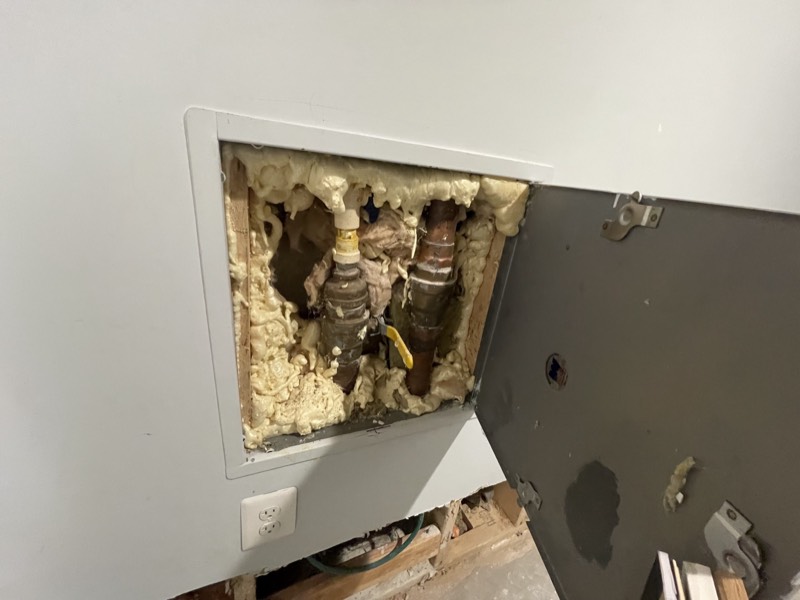
Water damage demolition & structural drying — Washington, DC
Documented Washington, DC loss where unsalvageable saturated material was removed under control, then the structure was dried with air movers and dehumidifiers to a verified standard.
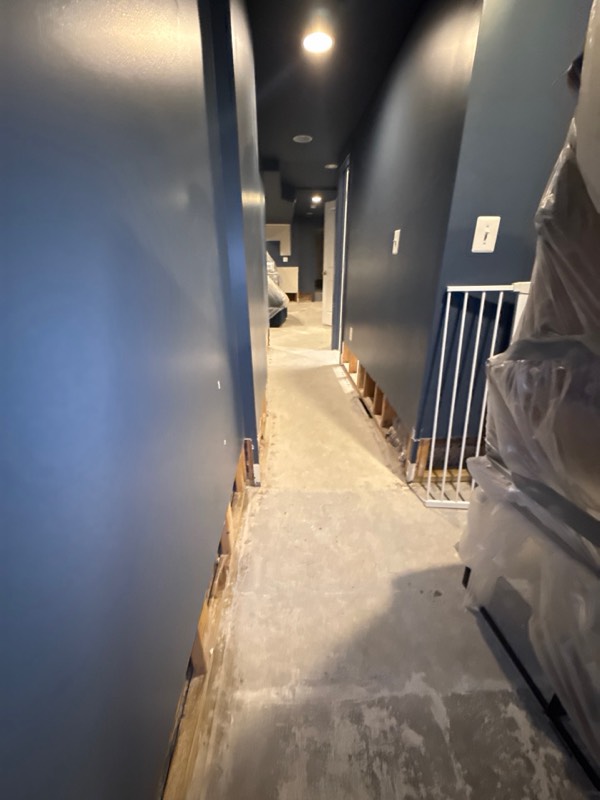
Residential water damage restoration — Washington, DC
A documented Washington, DC residential water loss carried from extraction through monitored drying to verified dry standards, keeping salvageable finishes in place.
Full restoration services in Capitol Hill
One operation covers every category — from emergency mitigation to full reconstruction.
Water Damage Restoration
Extraction, structural drying, and moisture verification for pipe breaks, appliance leaks, and English-basement flooding across the District.
Sewage & Biohazard Cleanup
Category 3 black-water decontamination with full PPE, contaminated-waste removal, antimicrobial treatment, and verified drying after sewer backups and overflows.
Mold Remediation
IICRC S520 containment, HEPA filtration, safe source-based removal, and independent post-remediation clearance verification.
Fire & Smoke Damage Restoration
Soot and smoke-residue removal, source-based odor neutralization, contents pack-out, and preservation-sensitive reconstruction after a fire — performed to ANSI/IICRC S700, the fire and smoke damage restoration standard.
Storm Damage Restoration
Emergency tarping, water extraction, and reconstruction after wind, heavy rain, and the flash flooding DC's summer storms produce.
Reconstruction & Repairs
Drywall, plaster, flooring, cabinetry, trim, and paint — the same in-house crew that dried the loss rebuilds it, with no handoff and preservation-sensitive finish matching for District homes.
What Capitol Hill homeowners look for
Capitol Hill is a neighborhood of long-tenured owners, active civic associations, and neighbors who talk — reputation here travels down the block and through the listservs, not through advertising. The experiences worth documenting are the practical ones: who responded fast at 2 a.m., and who protected the original plaster and floors instead of gutting them by default.
We do not print review counts or star ratings on this page. Our verified customer feedback lives on a separate reputation hub — head to RestorationDoctorsReviews.com to see Washington, DC reviews and the real Google aggregate for yourself, then return here to book service for your Capitol Hill home. Keeping the figures on a source-linked hub rather than typing numbers onto a marketing page is a deliberate honesty choice.
Frequently asked
Active water, mold, fire, or sewage event?
Connect directly with the Restoration Doctor team for your region. Crews are on standby 24/7 with documented response protocols.