Water Damage Restoration in Adams Morgan, Washington DC
Water damage restoration in Adams Morgan DC is shaped by the neighborhood's terrain as much as its plumbing. Adams Morgan sits on a slope, and when a hard summer cloudburst hits — the kind that famously overwhelmed these blocks in 2019 — runoff and combined-sewer surcharge pour downhill and pool against the lowest buildings and basements. Layered on that flash-flood exposure is a dense mix of Victorian and Wardman rowhouses and older low-rise apartment and condo buildings, all with below-grade units. Restoration Doctor answers Adams Morgan around the clock, and we scope storm-driven losses here for what they are: contaminated water, not a clean supply-line break.
The building stock is a genuine mix, and it changes the work. On one block you have an attached rowhouse with an English-basement apartment; on the next, a 1920s courtyard apartment building or a converted condo with multiple stacked units. A single downpour can put water into a garden-level unit, a rowhouse cellar, and an apartment building's lobby level in the same hour. We map each loss individually with thermal imaging and meters, because the water's path in a hillside rowhouse and in a courtyard apartment building are not the same problem.
From the 18th Street corridor and Kalorama Triangle to the streets climbing toward Mount Pleasant and Lanier Heights, the method holds: stop or seal the source, extract fast before porous materials soak it up, dry to a verified moisture standard, and document every reading for your carrier. Here is how water actually moves through Adams Morgan.
How water damage behaves in Adams Morgan
Cloudburst flooding and the low blocks
Adams Morgan's defining risk is the flash flood. The neighborhood's slope funnels intense summer rain downhill, and when the volume outruns the storm drains and the combined sewer, water sheets across streets and collects against the lowest buildings — exactly the scenario that inundated blocks here in the July 2019 cloudburst. Garden-level units, rowhouse cellars, and apartment-building lower levels take on water in minutes.
That water has traveled across pavement and, often, through the combined sewer, so it is Category 2 or Category 3 — never clean Category 1. We handle it accordingly: extraction, removal of unsalvageable porous materials, controlled demolition where required, and antimicrobial treatment under the proper protocols. Where the same storm drives water in through a roof or window uphill, our storm-damage work addresses the envelope and the interior as one loss so we are not chasing water that keeps arriving.
Multi-unit buildings and shared stacks
In Adams Morgan's apartment and condo buildings, a plumbing failure rarely stays in one unit. A burst supply line or a backed-up stack can send water down through several stacked units, wetting drywall, insulation, and flooring that belong to different owners plus common elements the association covers. Sorting unit property from common area determines which policy pays for what, and getting it wrong stalls the whole recovery.
We document the source, the migration path, and the affected materials in CompanyCam with a same-day moisture log, and we write the estimate so each owner and the association has a clear, carrier-ready record. We document; each party submits to its own carrier and chooses how to proceed — a clean separation that keeps a multi-unit loss from becoming a multi-party dispute.
Below-grade units, seepage, and mold
The English-basement and garden-level units under Adams Morgan rowhouses and apartment buildings sit at the lowest point and absorb both storm runoff and foundation seepage, on top of any plumbing failure from above. Finished with drywall, carpet, and full kitchens and baths, they are valuable spaces where standing or wicked water turns into mold quickly if it is not removed and dried fast.
We extract and then dry aggressively with low-grain refrigerant and desiccant dehumidification, monitoring to a verified standard rather than pulling equipment early. When we find existing growth we remediate under IICRC S520 with containment; when we are drying a fresh loss, verified drying is the whole defense against mold ever starting behind a below-grade wall.
Adams Morgan housing stock and how it fails
Adams Morgan blends two housing types on the same hillside. First are the rowhouses — Victorian and Wardman-era brick homes from the 1890s through the 1920s, attached, sharing party walls, and stacked over English basements. Many have been converted into condos or hold garden-level rental units below grade. Second are the low-rise apartment and courtyard buildings of the 1910s–1930s, several now condominiums, with lobby-level and basement common areas that flood from the same storms. Both types carry old lath-and-plaster, original wood flooring, and aging shared plumbing, and both punish a slow response — porous material against cool below-grade masonry grows mold fast.
The plumbing across this stock is a century of layers: galvanized supply lines, cast-iron drains, and newer copper spliced in through renovations, all threaded through shared walls and stacks. In the apartment and condo buildings, a single failed stack or supply line can affect several units at once, and the common elements a association is responsible for tangle with the unit finishes an owner insures. Because so much of the neighborhood sits inside historic districts, exterior and some structural repairs are constrained, which again favors drying-in-place and salvage over demolition when the water is clean enough to allow it.
Areas of Adams Morgan we serve
Real Adams Morgan blocks and buildings — and the water losses we most often see in each.
Mixed-use rowhouses and apartments over ground-floor space where cloudburst runoff and sewer surcharge reach lower levels.
Grand rowhouses converted to condos where upper-unit failures drain into the units below.
Hillside rowhouses and small apartment buildings where downslope runoff pools against uphill foundations.
Older apartment buildings and rowhouses with below-grade units vulnerable to combined-sewer backups.
Wardman rowhouses near the Mount Pleasant border where English-basement units take the lowest-point losses.
Attached homes and courtyard apartments where party-wall migration and shared stacks spread a single leak.
Documented project files
Real CompanyCam-documented Restoration Doctor work in the Washington, DC metro — every project photographed with date and time stamps.
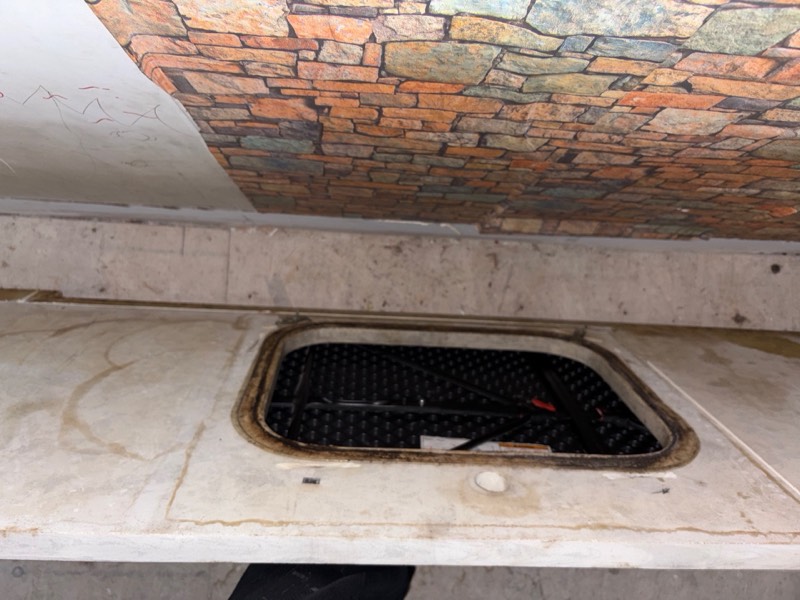
Water extraction & contents protection — Washington, DC
Documented Washington, DC flood loss where standing water was extracted and salvageable contents were moved and protected before staged structural drying began.
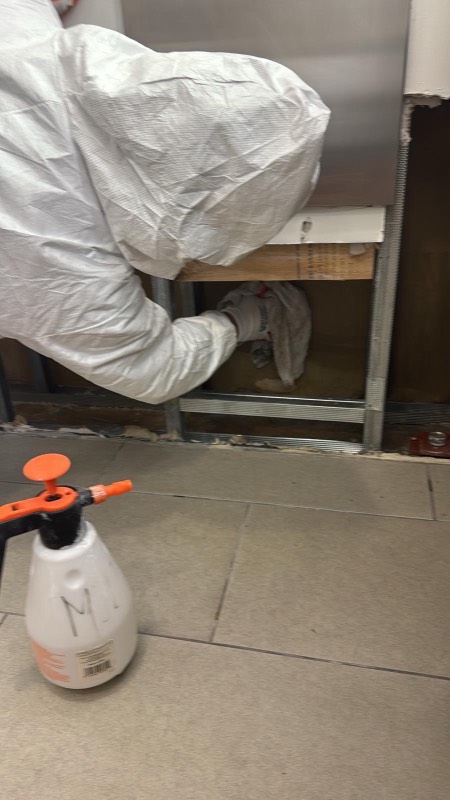
PPE cleaning & antimicrobial treatment — Washington, DC
A documented Washington, DC loss where contaminated water was cleaned and antimicrobial treatment applied under proper protocols before drying to verified standards.
Full restoration services in Adams Morgan
One operation covers every category — from emergency mitigation to full reconstruction.
Water Damage Restoration
Extraction, structural drying, and moisture verification for pipe breaks, appliance leaks, and English-basement flooding across the District.
Sewage & Biohazard Cleanup
Category 3 black-water decontamination with full PPE, contaminated-waste removal, antimicrobial treatment, and verified drying after sewer backups and overflows.
Mold Remediation
IICRC S520 containment, HEPA filtration, safe source-based removal, and independent post-remediation clearance verification.
Fire & Smoke Damage Restoration
Soot and smoke-residue removal, source-based odor neutralization, contents pack-out, and preservation-sensitive reconstruction after a fire — performed to ANSI/IICRC S700, the fire and smoke damage restoration standard.
Storm Damage Restoration
Emergency tarping, water extraction, and reconstruction after wind, heavy rain, and the flash flooding DC's summer storms produce.
Reconstruction & Repairs
Drywall, plaster, flooring, cabinetry, trim, and paint — the same in-house crew that dried the loss rebuilds it, with no handoff and preservation-sensitive finish matching for District homes.
What Adams Morgan homeowners look for
Adams Morgan is a neighborhood of renters, condo owners, and long-time rowhouse families packed onto tight blocks, so word about who responds well to a 2 a.m. flood travels fast through buildings and neighbors. The experiences worth documenting are the practical ones: did the crew arrive quickly during a storm, and did they handle contaminated water correctly instead of treating it like a clean spill.
We do not print star ratings or review counts on this page. Our verified customer feedback lives on a separate reputation hub — visit RestorationDoctorsReviews.com to read Washington, DC reviews and the genuine Google aggregate for yourself, then come back here to book service for your Adams Morgan home or unit. Keeping the numbers on a source-linked hub rather than typing them onto a marketing page is a deliberate honesty choice.
Frequently asked
Active water, mold, fire, or sewage event?
Connect directly with the Restoration Doctor team for your region. Crews are on standby 24/7 with documented response protocols.