
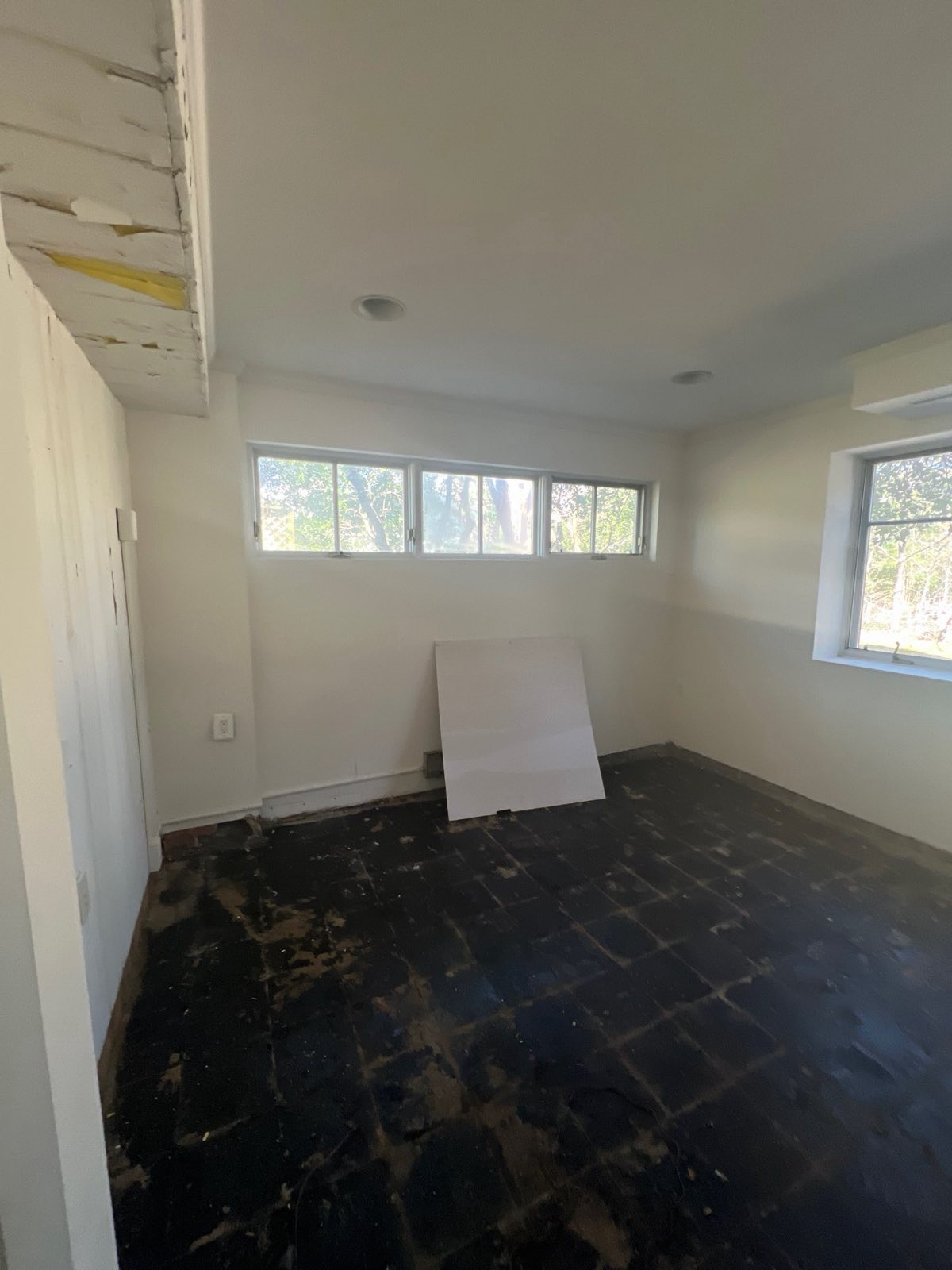
Water Damage Restoration in Chevy Chase, MD
Water damage restoration in Chevy Chase, MD is very often a story about age — old houses, old roofs, and old pipes running under old trees. Chevy Chase is one of the region's original streetcar suburbs, and its signature 1910s-through-1930s colonials are beautiful, substantial, and full of the water risks that come with a century of service. Restoration Doctor answers Chevy Chase emergencies around the clock, and on a home this old, getting a crew on site fast is what keeps a plumbing failure or a roof leak from soaking into plaster, framing, and finished lower levels that are slow and expensive to dry.
Three things define the losses here: original plumbing that is finally reaching the end of its life, slate and older roofs that let water in at flashings and valleys during storms, and the enormous mature trees that make these streets so distinctive — and whose roots invade century-old sewer laterals until the line backs up. A Chevy Chase water loss frequently traces back to one of those three, and each calls for a different response: a hidden supply-line leak, a storm-driven roof intrusion, or a Category 3 sewer backup are not the same project.
Whether you own a center-hall colonial in Chevy Chase Village, a Tudor near the Circle, or a 1920s home along Connecticut Avenue, the sequence we run is the same: stop the source, extract fast, dry to a verified moisture standard, and document every reading for your insurance carrier. What follows is how water actually behaves in Chevy Chase, from the roof down to the sewer line.
How water damage behaves in Chevy Chase
Tree-root intrusion and chronic sewer backups
The mature tree canopy that defines Chevy Chase has a downside its owners rarely see until it fails: roots relentlessly seek out the moisture and nutrients inside old sewer laterals, working into the joints of century-old clay and cast-iron lines until the pipe cracks or clogs. When that happens during heavy use or a hard rain, the line backs up and pushes sewage into the lowest floor of the house — usually a finished basement.
A sewer backup is not clean water. We handle it as the Category 3 biohazard event it is, with containment, extraction, removal of contaminated porous materials, and full disinfection under the proper protocols, so a finished lower level is not left with contaminated water in the walls and floor. Our licensed in-house plumbing crews also address the failed lateral itself, so the same root-choked line does not back up again the next time it rains — because on these old, tree-lined lots, root intrusion is a recurring problem, not a one-time event.
Slate roofs and storm-driven water intrusion
Many Chevy Chase homes still wear their original slate or aging older roofs, and while slate can last a century, the flashings, valleys, and underlayment beneath it age faster than the stone itself. In a driving storm, water finds the failed flashing or the slipped slate and enters the house at the roofline, tracking down through the attic and into ceilings and walls — often showing up as a stain far from where it actually got in.
We use thermal imaging and moisture meters to find where storm water actually traveled inside the assembly rather than guessing from the visible stain, then dry cavities in place wherever we can and open only what has to come out. This is where our storm damage restoration work overlaps: the same weather that drives water through a Chevy Chase roof can saturate an attic and a top-floor ceiling at once, and we address the envelope and the wet interior as one connected loss so it dries fully and does not seed mold.
Century-old plumbing behind plaster walls
The pre-war homes that make up most of Chevy Chase carry the plumbing risks of their age. Original galvanized supply lines corrode from the inside until they weep or burst, cast-iron drains crack and clog, and a subset of mid-century remodels hid failure-prone materials in the walls. A Chevy Chase loss very often begins as one of these hidden-cavity failures behind plaster and lath, which is why we carry licensed in-house plumbing to repair the line that actually failed rather than drying the aftermath and leaving the cause to fail again.
Moisture left behind old plaster is exactly how hidden-cavity mold takes hold in these homes. When we find existing growth, we remediate it under IICRC S520 with containment and proper removal; when we are drying a fresh loss, the whole point of verified in-place drying is to stop mold before it ever starts. In a Chevy Chase home, mold is almost always a story about how long water sat unseen behind a wall, so speed and thorough moisture mapping are the best prevention we have.
Chevy Chase housing stock and how it fails
Chevy Chase was built as a planned garden suburb in the early 20th century, and its housing stock reflects that origin: gracious center-hall colonials, Tudors, foursquares, and bungalows built largely between about 1910 and 1940, set on generous lots under a canopy of mature trees. These are substantial, well-built homes — but they are old, and age shows up in the systems that carry water. Original galvanized supply lines, cast-iron drains, and century-old sewer laterals are common, and slate or aging roofs cover many of them, so water finds its way in through both the plumbing inside the walls and the envelope overhead.
Nearly all of these homes have full basements, most of them finished at some point into rec rooms, offices, and guest suites, and those below-grade levels are the first place water collects when something upstairs or overhead fails. The homes' plaster-and-lath walls and hardwood floors hold water and are costly to replace, which raises the stakes on drying quickly and thoroughly. And the very trees that make Chevy Chase's streets so beautiful are a hidden liability underground, where roots seek out and crack the joints of old sewer lines. Knowing the age of the systems in a given Chevy Chase home tells us exactly where to look when water appears.
Areas of Chevy Chase we serve
Real Chevy Chase blocks and buildings — and the water losses we most often see in each.
Grand 1910s-20s center-hall colonials on mature-tree lots where root-choked sewer laterals back up into finished basements.
Historic homes near the Circle with original galvanized plumbing prone to hidden-cavity supply-line failures.
1920s colonials and Tudors where slate-roof flashings fail and drive storm water into top-floor ceilings.
Established homes on wooded lots where mature-tree roots invade century-old sewer lines.
Older bungalows and colonials with finished basements that collect water at the low point of the house.
Pre-war homes with plaster-and-lath walls and aging cast-iron drains prone to backups.
Documented project files
Real CompanyCam-documented Restoration Doctor work in the Washington, DC metro — every project photographed with date and time stamps.
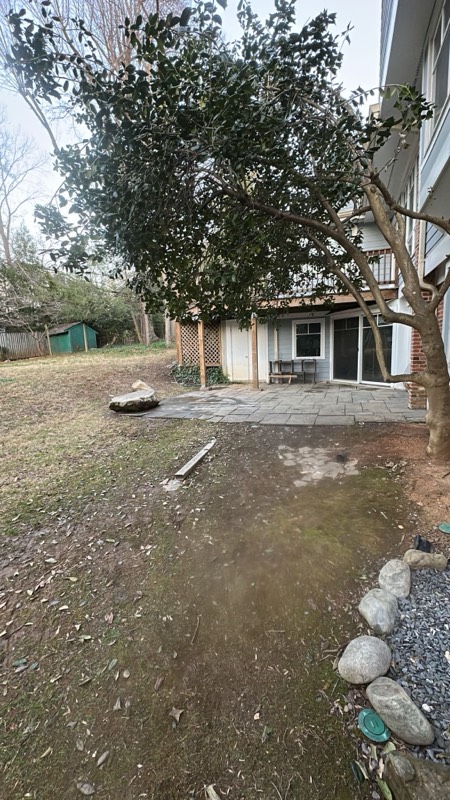
Hardwood floor water damage drying — Chevy Chase
A documented Chevy Chase project where crews set specialized floor-drying systems and low-grain dehumidification to pull moisture from a wet hardwood assembly, aiming to save the original flooring.
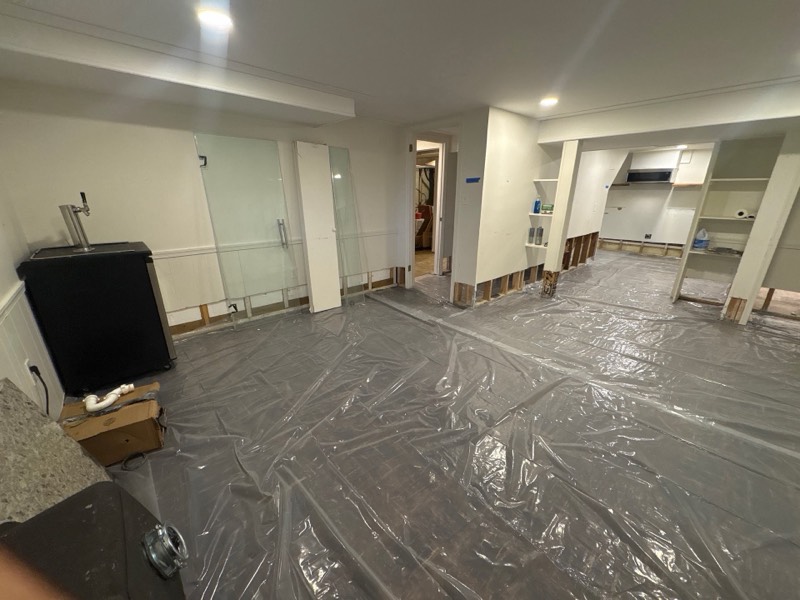
Bathroom mold remediation & structural drying — Chevy Chase
A documented Chevy Chase loss where crews remediated bathroom mold under containment and dried the affected structure to a verified standard after a hidden-cavity leak.
Full restoration services in Chevy Chase
One operation covers every category — from emergency mitigation to full reconstruction.
Water Damage Restoration
Extraction, structural drying, and moisture verification for pipe breaks, appliance leaks, and English-basement flooding across the District.
Sewage & Biohazard Cleanup
Category 3 black-water decontamination with full PPE, contaminated-waste removal, antimicrobial treatment, and verified drying after sewer backups and overflows.
Mold Remediation
IICRC S520 containment, HEPA filtration, safe source-based removal, and independent post-remediation clearance verification.
Fire & Smoke Damage Restoration
Soot and smoke-residue removal, source-based odor neutralization, contents pack-out, and preservation-sensitive reconstruction after a fire — performed to ANSI/IICRC S700, the fire and smoke damage restoration standard.
Storm Damage Restoration
Emergency tarping, water extraction, and reconstruction after wind, heavy rain, and the flash flooding DC's summer storms produce.
Reconstruction & Repairs
Drywall, plaster, flooring, cabinetry, trim, and paint — the same in-house crew that dried the loss rebuilds it, with no handoff and preservation-sensitive finish matching for District homes.
What Chevy Chase homeowners look for
Chevy Chase is a settled, close-knit community where homeowners take real pride in maintaining historic houses, and they vet a restoration company the way they vet any trade they let into a home they have invested in — by asking who showed up fast, worked carefully around original material, and stood behind the result. Response time, restraint-minded drying, and honest documentation are exactly the things worth vetting on a home this old and this valued.
We do not print review counts or star ratings on this page. Our verified customer feedback lives on a separate reputation hub instead: visit RestorationDoctorsReviews.com to see the reviews and the real Google aggregate for yourself, then come back here to book service for your Chevy Chase home. Keeping ratings on a source-linked hub rather than typing numbers onto a marketing page is a deliberate honesty choice — the figures there are the genuine Google totals, not something we invented.
Frequently asked
Active water, mold, fire, or sewage event?
Connect directly with the Restoration Doctor team for your region. Crews are on standby 24/7 with documented response protocols.