
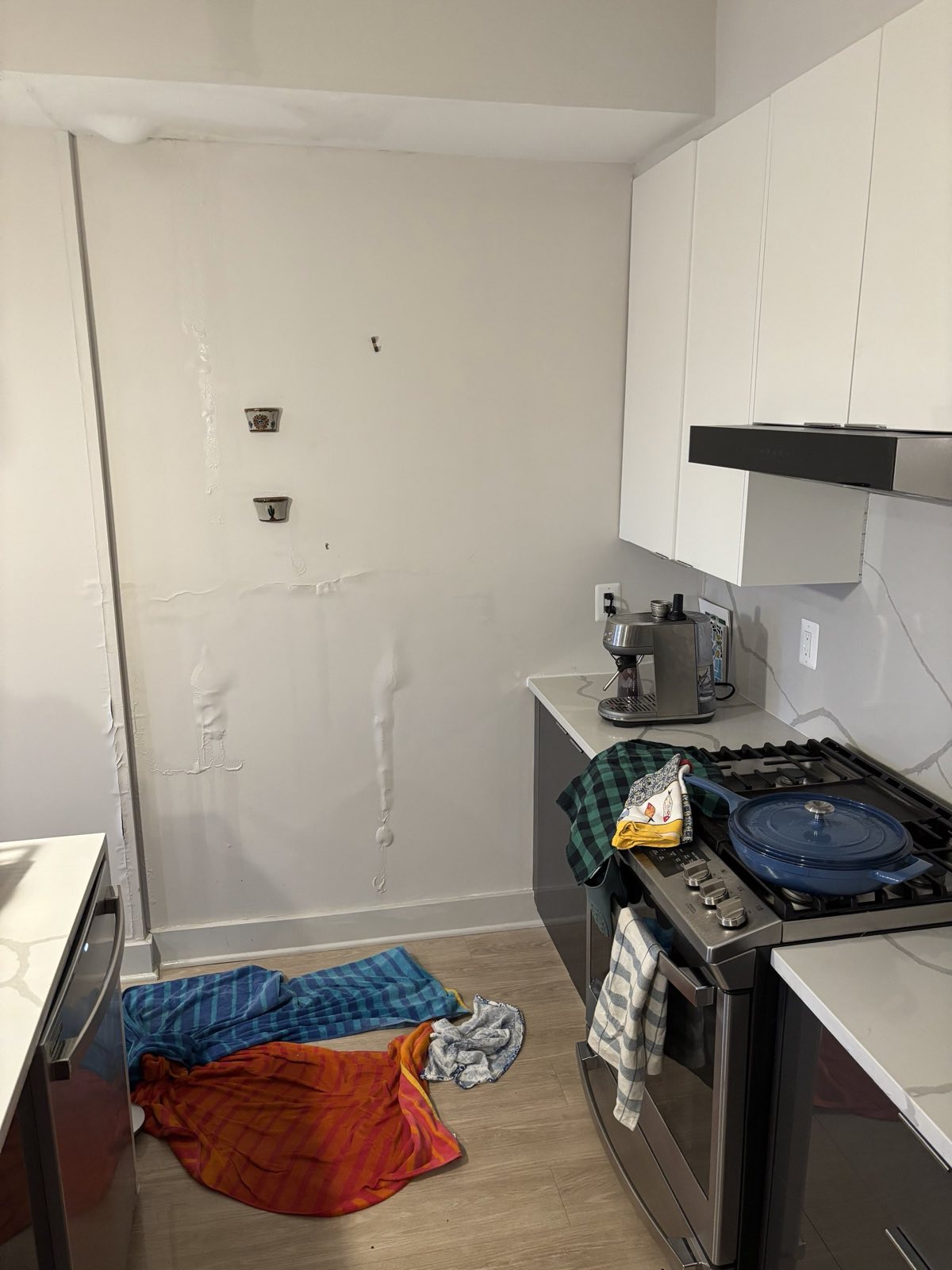
Water Damage Restoration in Silver Spring, MD
Water damage restoration in Silver Spring, MD spans two very different worlds: the dense downtown core of mid- and high-rise apartments and condos clustered around the Metro, and the leafy surrounding neighborhoods of 1920s-through-1950s bungalows and colonials. A water loss on the tenth floor of a downtown building and a water loss in a Woodside bungalow are genuinely different projects, and Restoration Doctor scopes each for what it actually is. We answer Silver Spring emergencies around the clock, because in a stacked downtown building a fast response is the difference between drying one unit and drying several, and in an older home it is the difference between saving finished space and losing it.
The other force that shapes water losses here runs right through the neighborhood: Sligo Creek and its tributaries. Silver Spring's low-lying blocks along the creek and its feeder streams take on real stormwater during heavy rain, and homes near those drainages lean hard on sump pumps and foundation drainage that can be overwhelmed in a strong storm. When the ground saturates and water pushes in against below-grade walls, that is a fundamentally different loss than a clean burst pipe — and we treat it accordingly.
Whether you rent a downtown high-rise apartment, own a bungalow in Woodside Park, or live on a low block near Sligo Creek, the sequence we run is the same: stop the source, extract fast, dry to a verified moisture standard, and document every reading for your insurance carrier. What follows is how water actually behaves in Silver Spring, from the downtown towers to the creek-side streets.
How water damage behaves in Silver Spring
Sligo Creek and flood-prone low-lying blocks
Sligo Creek and its tributaries thread through Silver Spring, and the low-lying yards and streets along those drainages take on real stormwater during heavy rain. When a strong storm dumps several inches, the ground stays saturated, hydrostatic pressure builds against below-grade walls, and homes on those low blocks lean hard on their sump pumps. When a pump fails or a battery backup is dead, groundwater the pump was holding back seeps in through the foundation — and water that has traveled through soil and near a creek is no longer clean Category 1 water.
We treat those creek-driven basement events as the Category 2 seepage they are, with extraction, selective removal of unsalvageable porous materials, and antimicrobial treatment, rather than a quick mop-and-fan. This is also where our storm damage restoration work overlaps: the same weather that floods a Sligo Creek-area basement can drive water in through a wind-damaged roof or a failed window, and we address the building envelope and the wet interior as one connected loss.
High-rise apartments and condos downtown
Downtown Silver Spring's towers behave like any stacked building: gravity spreads the damage. A supply-line burst, a failed water heater, or an overflowing fixture on an upper floor sends water straight down through the concrete slab and pipe chases into the units below, along ceilings and shared walls, before a lower-floor resident ever sees a stain. By then the water may already have touched several homes and a common corridor.
We approach these as building losses, not single-unit events. Crews map the vertical path with thermal imaging and moisture meters through each affected unit, set directed drying and low-grain dehumidification in every wet space at once, and document each area separately so residents, owners, and the building's management or association can see exactly what was affected and route it to the right coverage. Drying a stack of units in place — rather than tearing out finished ceilings floor by floor — depends on getting equipment running fast and monitoring every level to a verified dry standard.
Finished basements and aging bungalow plumbing
In Silver Spring's pre-war bungalows and colonials, the finished basement is both the most-used space and the lowest point for water to collect. A water-heater failure, a burst supply line, or a washing-machine hose pools at the bottom of the house and immediately soaks carpet pad, wicks up into drywall, and saturates the bottom plates of framed walls. Because basements dry slowly on their own, in-place monitored drying with low-grain refrigerant and desiccant dehumidification matters more here than almost anywhere in the home.
These older homes also carry the plumbing risks of their age — aging supply lines that corrode and fail, cast-iron drains that crack and back up — and undried moisture behind those walls is exactly how hidden-cavity mold starts. We carry licensed in-house plumbing to repair the line that actually failed, remediate existing mold under IICRC S520 with containment, and — on a fresh loss — verify the assembly to a dry standard so mold never gets its start. When a Silver Spring drain line backs up, that becomes a Category 3 sewage and biohazard cleanup handled under the proper protocols.
Silver Spring housing stock and how it fails
Silver Spring is really two housing markets sharing a name. Downtown, around the Metro and the Ellsworth Drive district, is a dense core of mid- and high-rise apartment and condominium buildings, where the defining water risk is vertical propagation — a supply-line burst or overflowing fixture on an upper floor drops through the concrete slab into the units below and along common corridors, touching several homes at once. Ownership and responsibility in those buildings are layered across the resident, the neighbors below, and the association, and the water crosses all of those lines in a single event.
Radiating out from downtown are the older residential neighborhoods — Woodside, Woodside Park, Seven Oaks, and the streets toward Takoma Park — built largely between the 1920s and 1950s with brick and frame bungalows, Cape Cods, and colonials. Nearly all of them have full basements, most finished at some point into living space, and those below-grade levels are the first place water collects when a pipe fails upstairs or storm water pushes in from outside. These homes also carry the plumbing risks of their age, with aging supply lines and cast-iron drains that fail over time. Knowing which Silver Spring we are standing in — the downtown tower or the pre-war bungalow — tells us where the water went and how to dry it.
Areas of Silver Spring we serve
Real Silver Spring blocks and buildings — and the water losses we most often see in each.
Mid- and high-rise apartments and condos near the Metro where an upper-floor leak drops through the slab into units below.
Established 1920s-40s colonials and bungalows with finished basements that collect water at the low point of the house.
Older homes on low blocks near Sligo Creek where storm runoff and sump failure drive basement flooding.
Pre-war bungalows and Cape Cods with aging supply lines prone to pinhole and drain-line failures.
Century-old frame homes where plaster walls and cast-iron drains raise the stakes on drying quickly.
Mid-century homes on varied grade where downhill runoff concentrates against the lowest foundations.
Documented project files
Real CompanyCam-documented Restoration Doctor work in the Washington, DC metro — every project photographed with date and time stamps.
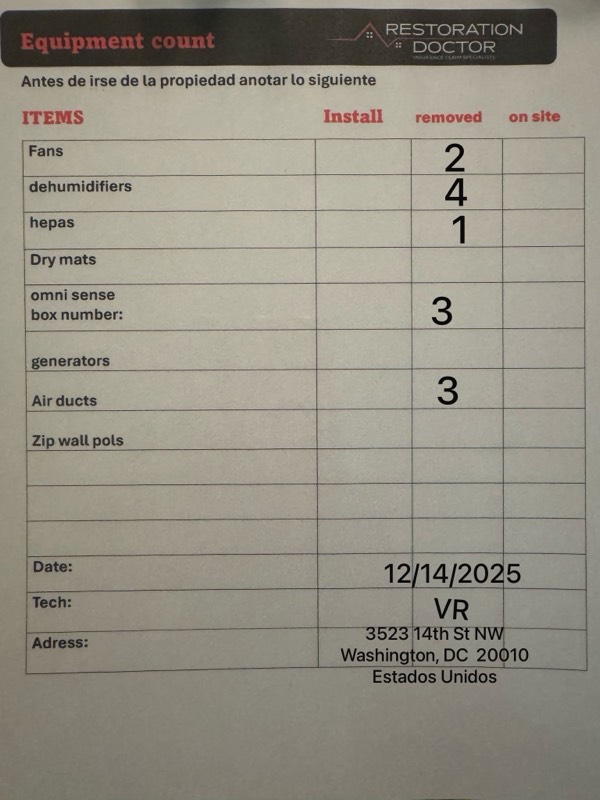
Residential water damage restoration — Silver Spring
A documented Silver Spring residential water loss taken from extraction through monitored drying to verified dry standards, keeping salvageable finishes in place wherever possible.
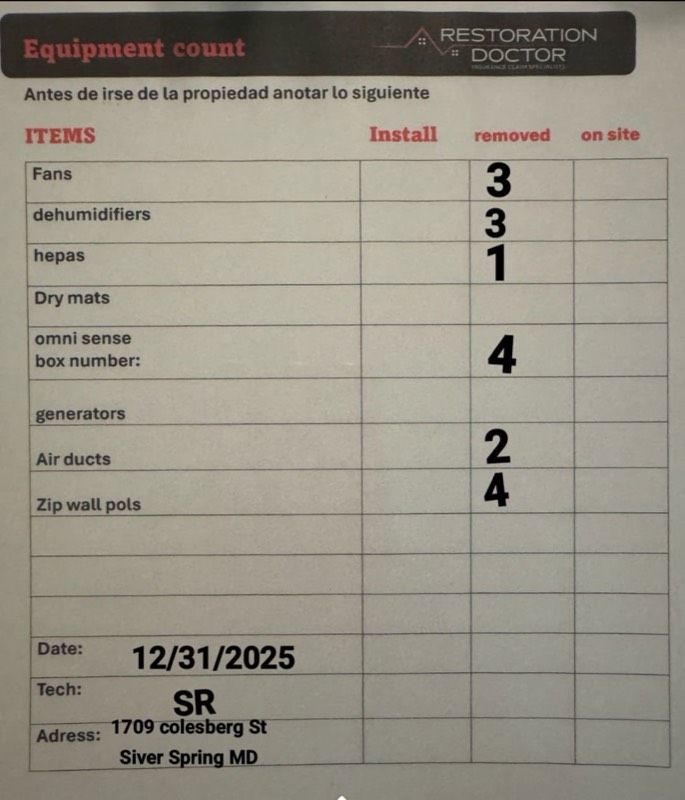
Moisture mapping & structural drying — Silver Spring
A documented Silver Spring project where crews mapped the hidden moisture footprint with meters and thermal imaging, then set targeted structural drying to the wet assembly.
Full restoration services in Silver Spring
One operation covers every category — from emergency mitigation to full reconstruction.
Water Damage Restoration
Extraction, structural drying, and moisture verification for pipe breaks, appliance leaks, and English-basement flooding across the District.
Sewage & Biohazard Cleanup
Category 3 black-water decontamination with full PPE, contaminated-waste removal, antimicrobial treatment, and verified drying after sewer backups and overflows.
Mold Remediation
IICRC S520 containment, HEPA filtration, safe source-based removal, and independent post-remediation clearance verification.
Fire & Smoke Damage Restoration
Soot and smoke-residue removal, source-based odor neutralization, contents pack-out, and preservation-sensitive reconstruction after a fire — performed to ANSI/IICRC S700, the fire and smoke damage restoration standard.
Storm Damage Restoration
Emergency tarping, water extraction, and reconstruction after wind, heavy rain, and the flash flooding DC's summer storms produce.
Reconstruction & Repairs
Drywall, plaster, flooring, cabinetry, trim, and paint — the same in-house crew that dried the loss rebuilds it, with no handoff and preservation-sensitive finish matching for District homes.
What Silver Spring homeowners look for
Silver Spring is a big, diverse community, and its residents range from downtown renters and condo owners to longtime homeowners in the surrounding bungalow neighborhoods — but they vet a restoration company the same way: by asking who actually showed up fast and stood behind the work. In the downtown buildings, a company's track record across multi-unit losses matters to an entire building; in the older homes, careful drying and honest documentation are what count. Those are exactly the experiences worth documenting truthfully.
We do not print review counts or star ratings on this page. Our verified customer feedback lives on a separate reputation hub instead: visit RestorationDoctorsReviews.com to see the reviews and the real Google aggregate for yourself, then come back here to book service for your Silver Spring home or building. Keeping ratings on a source-linked hub rather than typing numbers onto a marketing page is a deliberate honesty choice — the figures there are the genuine Google totals, not something we invented.
Frequently asked
Active water, mold, fire, or sewage event?
Connect directly with the Restoration Doctor team for your region. Crews are on standby 24/7 with documented response protocols.