Fire and Water Damage Together: The DC Firefighting Aftermath

BYSteve Jafari, General ManagerWASHINGTON DC & SOUTHERN MARYLAND
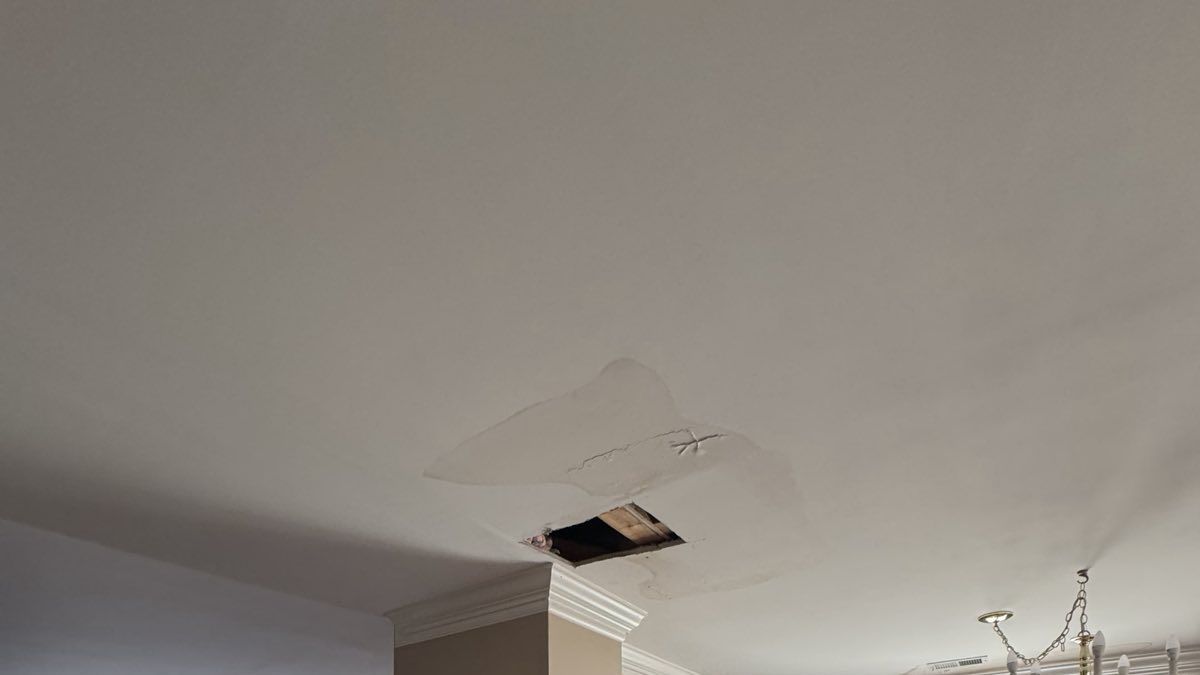
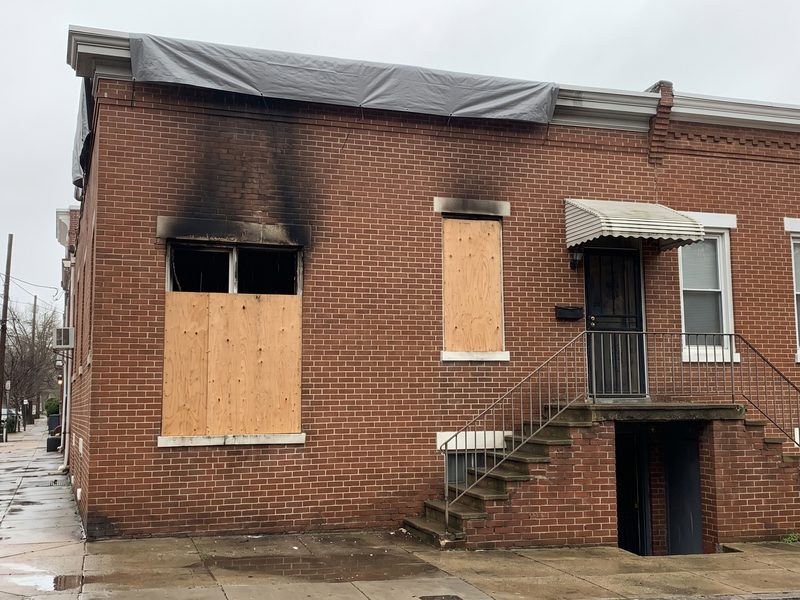
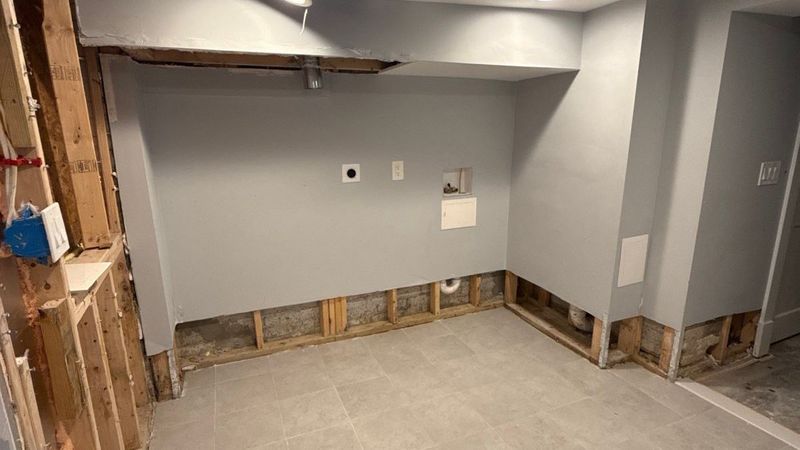
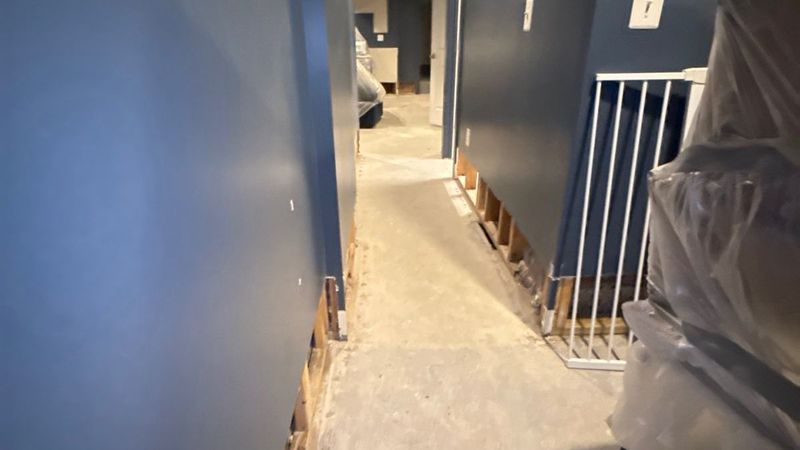
Almost every structure fire in DC leaves two problems behind: fire and water damage together, because the hoses and sprinklers that save your home soak it at the same time. The correct response restores them in a specific sequence — extract and dry the suppression water first to stop mold and secondary damage, then neutralize soot, smoke odor, and char. Restoration Doctor of Washington DC follows IICRC S500 drying standards and professional smoke-cleaning protocols, documents the full scope with an Xactimate estimate, CompanyCam photos, and daily moisture logs, and invoices the property owner directly.
Call (202) 922-1444Why do DC homes have both fire and water damage after a fire?
DC homes have both fire and water damage because putting a fire out requires enormous volumes of water, and that water doesn't disappear when the flames do. A single attack hose can flow well over a hundred gallons per minute, and sprinkler systems in condos and newer buildings discharge continuously until someone shuts them off. By the time the fire is declared out, the structure is often as wet as it is burned.
In Washington's older housing stock this plays out in predictable ways. A kitchen fire on the second floor of a Capitol Hill row house sends suppression water straight down through floor cavities into the rooms below. In a stacked condo building, water from an upper-floor fire migrates through shared walls and ceilings into neighboring units that never saw a flame. And in an English basement, water follows gravity to the lowest point and pools against foundation walls, where it lingers long after the fire trucks leave.
This is why fire and water damage in DC are almost never separate jobs. The char, soot, and odor are obvious, but the trapped moisture behind them is what quietly drives mold growth, swollen framing, and ruined drywall if it isn't addressed first. Effective restoration treats the fire scene as a combined fire-and-water loss from the first hour.
What has to be addressed first — the water or the fire damage?
The water is addressed first. Standing and absorbed suppression water is the more time-sensitive threat because it begins causing secondary damage immediately, while soot and char, though ugly, are relatively stable and can be cleaned on a slower timeline.
Under the IICRC S500 standard for water damage restoration, materials that stay wet can begin supporting microbial growth within roughly 24 to 48 hours. Soot does not multiply; moisture does. If a crew spends the first days scrubbing smoke off walls while gallons of water sit in the subfloor, mold and structural swelling can turn a cleanable loss into a demolition. That's why the proper sequence front-loads extraction and drying.
There is one exception: safety and stabilization always come before either. That means confirming the fire department has cleared the structure, cutting power to flooded or compromised circuits, boarding up openings, and tarping a burned roof so rain doesn't add to the water load. Only once the scene is safe and weather-tight does the moisture work begin in earnest.
What is the correct sequence for combined fire and water restoration?
The correct sequence moves from safety, to water removal and drying, to soot and smoke cleanup, and finally to reconstruction. Skipping ahead — for example, closing up walls before they're verified dry — is the most common way a fire restoration goes wrong.
Each phase has a defined endpoint before the next begins. Drying isn't finished because the surface feels dry; it's finished when moisture meters read the documented drying goal for that material. Smoke cleaning isn't done because surfaces look clean; it's done when odor is neutralized at the source rather than masked. Working in order is what prevents trapped moisture and lingering smell from surfacing months after the rebuild.
| Phase | What happens | When it's considered done |
|---|---|---|
| 1. Safety & stabilization | Power shut off, structure cleared, roof tarped, openings boarded | Scene is safe and weather-tight |
| 2. Water extraction | Standing water removed, saturated non-salvageable materials taken out | No free-standing or pooled water remains |
| 3. Structural drying | Air movers and dehumidifiers run; moisture logged daily | Moisture meters read the verified drying goal |
| 4. Soot & smoke cleanup | Char removed, surfaces cleaned, odor neutralized at the source | Surfaces clean and odor-free, not masked |
| 5. Reconstruction | Drywall, flooring, paint, and finishes rebuilt | Home returned to pre-loss condition |
How is firefighting water removed and dried in a row house or condo?
Firefighting water is removed with extraction equipment and then dried with professional air movers and dehumidifiers until moisture meters confirm the structure has reached its drying goal. The approach is grounded in psychrometry — managing temperature and humidity so that moisture evaporates out of building materials into the air, where dehumidifiers capture it and remove it from the building.
In a DC row house, the challenge is vertical. Water that ran down from an upper floor hides inside plaster-and-lath or drywall assemblies, in subfloors, and behind baseboards. A technician uses moisture meters and often thermal imaging to map how far the water traveled, then sets equipment to dry those specific cavities rather than just the visible surfaces. Wall cavities may be opened or dried with specialized injection systems, depending on what the materials and contamination level allow.
In a condo or townhome, the issue is shared assemblies. Water crosses into neighboring units through party walls and ceiling assemblies, so proper drying often means coordinating access to adjacent spaces. Throughout the process, daily moisture readings are logged so progress is documented rather than guessed. That monitoring continues until the readings — not the calendar — say the materials are dry. Our water damage restoration page explains this phase of the work in more detail.
- Extraction of standing and pooled water from floors, basements, and the lowest points of the structure
- Moisture mapping with meters and thermal imaging to find hidden water in walls and subfloors
- Air movers and dehumidifiers sized to the affected area and placed per IICRC S500 principles
- Daily moisture logs tracking each material toward its verified drying goal
- Wall cavity drying or controlled removal where water is trapped behind finishes
What does soot and smoke damage do, and how is it cleaned?
Soot is the fine, often oily residue left by combustion, and it is both corrosive and odor-carrying, which is why it must be cleaned rather than painted over. Left in place, soot etches metal and glass, stains porous surfaces permanently, and keeps releasing smoke odor for months.
Not all smoke is the same, and the cleaning method depends on what burned. A fast, hot fire tends to leave dry, powdery soot that cleans more readily. A slow, smoldering fire — or one involving plastics and synthetics common in kitchens and electronics — leaves a sticky, greasy residue that smears if wiped incorrectly. Protein residues from cooking fires are nearly invisible but carry a stubborn, pervasive odor. Each type calls for different cleaning agents and techniques, and using the wrong one can set a stain instead of lifting it.
Cleaning follows the drying phase. Technicians remove loose char and heavily damaged materials, then clean salvageable surfaces with the appropriate dry or wet methods, testing in an inconspicuous spot before working across the residue. Odor is addressed at the source — in the materials and the air — using techniques like thermal fogging, hydroxyl or ozone treatment, and sealing of surfaces that can't be fully stripped. Masking agents alone are not a solution, because the smell returns as soon as they fade. Our fire damage restoration service covers this phase in detail.
Why does mold grow after a fire if the fire 'dried things out'?
Mold grows after a fire because the heat of the flames does nothing to dry the gallons of suppression water now soaked into your walls and floors — in fact, a warm, wet, organic-rich environment is close to ideal for mold. The intuition that fire 'dries things out' is exactly backward for the parts of the house the flames never reached.
Mold needs moisture, an organic food source, and time. After a combined fire-and-water loss, all three are present: drywall paper, wood framing, and insulation hold water, and smoke-damaged porous materials are already compromised. Under IICRC S500, materials that stay wet can begin supporting microbial growth within roughly 24 to 48 hours, which is precisely why drying is front-loaded in the restoration sequence.
If mold has already taken hold — common when a fire is discovered late or a building sits wet while the insurance claim is sorted out — it is handled under the IICRC S520 standard for professional mold remediation, with containment and controlled removal rather than a simple wipe-down. The combination of fire, water, and mold in one structure is one of the clearest reasons to bring in a crew that handles all three; our mold remediation page explains what that work involves.
What about Category 3 contaminated water after a fire?
Firefighting water is frequently contaminated — classified as Category 3, meaning grossly contaminated, under IICRC S500 — because it runs across burned materials, dissolved soot, ash, and whatever else the fire consumed before pooling in basements and low spots. It is not the clean water that came out of the hose anymore, and Category 3 water can contain pathogenic or toxigenic agents.
In DC's older homes, this gets worse when the water load overwhelms floor drains or backs up through a building's plumbing, mixing suppression water with sewage. In an English basement especially, where water collects at the lowest point of the structure, that combination means the standing water should be treated as contaminated. Category 3 water calls for protective equipment, antimicrobial treatment, and removal of the porous materials it has contacted, because those materials can't be reliably decontaminated in place.
This is why a fire loss is rarely a simple 'dry it out' job. Beyond the char and smoke, there's often contaminated water that demands the same protocols used in professional sewage cleanup. Treating it casually risks leaving behind bacteria and odor in the very materials you'll be living around.
How does insurance and documentation work for a combined fire and water loss?
For a combined fire and water loss, thorough documentation is what ties the scope of damage to the claim, so the work should be recorded in detail from day one. Restoration Doctor of Washington DC is hired by the property owner under a written agreement, performs and documents the restoration, and invoices the homeowner directly.
What we provide is the evidence of the work: a line-item Xactimate scope, CompanyCam photo documentation of conditions and progress, and daily moisture logs from the drying phase. These are the records a property owner hands to their insurer. We don't interpret your policy, negotiate with your carrier, or represent you in the claim — we document the damage and the restoration accurately so you have a clear, professional record to work from.
As for cost, a combined fire-and-water restoration typically runs in the thousands, and the real figure depends on how much water was used, how far it spread, how much soot-damaged and water-damaged material has to be removed, how many days of drying the moisture readings require, and how extensive the reconstruction is. There's no honest flat number before an on-site inspection — anyone who quotes one sight unseen is guessing. For questions about the documentation we provide, our FAQ page is a good starting point, and you can reach Restoration Doctor of Washington DC any time at (202) 922-1444 or through our contact page. We serve Washington, D.C. and Southern Maryland and are licensed in the District under DC DLCP #410524000721.
What should you remember after a DC fire and water loss?
If you take nothing else from this, remember that the fire being out is the start of the restoration, not the end. The water used to fight it is now the most urgent problem, and the order of operations matters more than the speed of any single step.
Here's what to hold onto while you're in the middle of it.
- Expect both fire and water damage — in DC, suppression water travels down through floors, across condo party walls, and into English basements.
- Water comes first: extraction and verified drying stop mold and structural damage before soot cleanup begins.
- Soot is corrosive and odor-carrying; it must be cleaned by residue type, not painted over, with odor neutralized at the source.
- Mold can start within roughly 24 to 48 hours because the fire doesn't dry the parts it didn't burn — drying is front-loaded for a reason.
- Firefighting water is often Category 3 contaminated under IICRC S500 and should be handled with contamination protocols, especially in basements.
- Keep the documentation — Xactimate scope, CompanyCam photos, and daily moisture logs — as the record behind your insurance claim.