
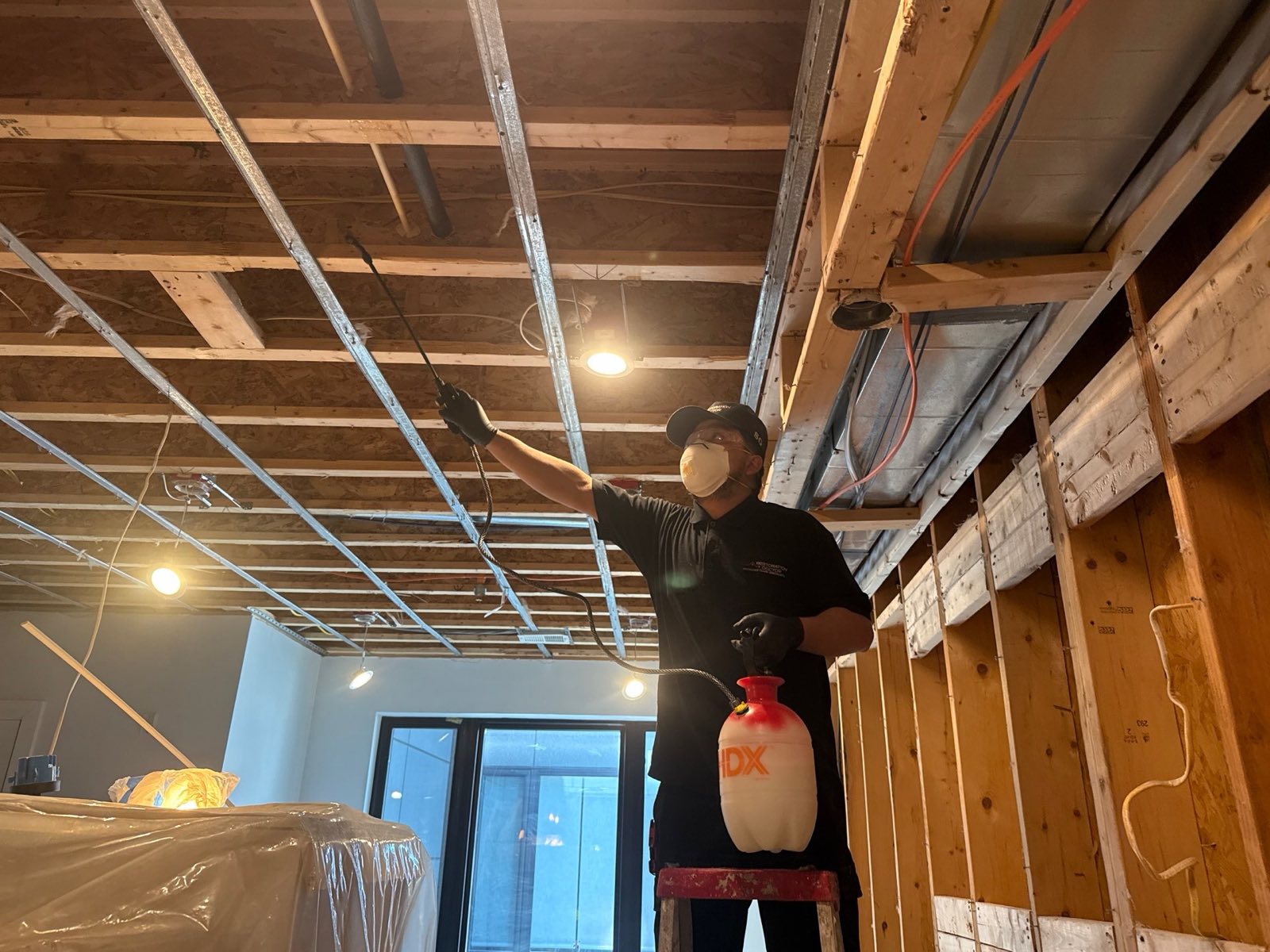
Emergency Water Extraction and Structural Drying in Washington, DC
Standing water is only half the loss. Extraction comes first, then drying runs until readings say stop. Restoration Doctor of Washington DC dispatches crews 24 hours a day, 7 days a week, and a crew can be on-site in as little as 60 minutes from your call anywhere in Washington, DC. Response times vary based on crew availability and demand.
Updated October 2026
At a glance
- Phone
- (202) 922-1444
- Hours
- 24 hours a day, 7 days a week
- Response
- On-site in as little as 60 minutes in Washington, DC**Response times vary based on crew availability and demand.
- Service area
- All four quadrants of Washington, DC
- Services
- Water damage, sewage cleanup, mold remediation, fire damage, storm damage, reconstruction, extraction & drying, hardwood floor drying, roof tarping, smoke & soot cleaning, contents pack-out
- DC license
- DC Basic Business License #410524000721Held by VA Water Damage LLC dba Restoration Doctor
- Maryland license
- MD Home Improvement (MHIC) #167541Held by VA Water Damage LLC dba Restoration Doctor
- Certification
- IICRC-certified, S500 / S520-aligned
Extraction and structural drying are two separate jobs
Extraction takes the standing water out of the building. Structural drying takes out the water that has already soaked into drywall, plaster, subfloor, framing and flooring, which no pump can reach. A crew that stops after extraction leaves the larger part of the loss in the walls, and that water is what turns into odor, swollen trim and mold weeks later.
This page covers the equipment and the decisions behind both jobs. For the full picture of a water loss in the District, including the paperwork and the rebuild, start with water damage restoration in Washington, DC.
Choosing the extraction method
The extraction method follows the size of the loss. A contained break, such as a single supply line or an appliance hose, is handled with portable units. A flooded English basement or a multi-room loss calls for truck-mounted extractors, which move water far faster and get the structure out of standing water sooner.
Speed matters because of what the water becomes. Under the IICRC S500 standard, clean Category 1 water can degrade to Category 2 or 3 as time passes, temperature rises and it picks up contaminants from building materials, and each step up enlarges the scope and lengthens the drying. Water from a sewer backup or from outside the building is a different question from the start; see sewage cleanup.
How the drying system is built
Drying starts with a map. The crew classifies the water category and saturation class, then traces moisture room by room with pinless meters and thermal imaging. That map decides where equipment goes, so air movers and dehumidifiers sit where the wet material is instead of being spread across a room and left to run.
Air movers sweep moisture off wet surfaces. Low-grain refrigerant (LGR) or desiccant dehumidifiers pull that moisture out of the air and exhaust it. Where original hardwood, plaster or dense masonry is involved, floor-drying mats and injection drying are added so the material can be dried in place instead of torn out.
District buildings change the layout. A narrow rowhouse plan broken up by doorways and a stair core does not dry as one open space, and moisture can travel along a shared party wall into the attached home. A condo loss may run through several units. The equipment plan follows the water through those paths, not the room where the leak started.
What is measured, and what ends the equipment count
A baseline reading is logged before drying begins. After that the crew takes daily psychrometric and moisture readings, which means the temperature and humidity of the air as well as the moisture in the materials, and repositions equipment as the numbers fall.
The goal is a reading, not a day count. The crew measures comparable dry material in an unaffected part of the building and uses that as the target for the wet material. Equipment comes out when the affected materials read at or near that target and the readings hold. Nobody can name the number of drying days in advance, because drying time depends on the building and the materials as much as on the crew.
That is why an invoice counts machines and days. The equipment record shows which machines were in the building on which dates, and the dated readings show why they stayed. Why a water mitigation invoice looks the way it does walks through the units line by line.
What is removed and what is dried in place
Only material that cannot be dried is removed. Where drywall has wicked water too high to save, the crew makes clean flood cuts, takes out the saturated material and sets drying on the exposed cavities. Where plaster, hardwood or millwork can be dried in place, that is the first choice, because it keeps the original finishes and shortens the rebuild.
Contaminated water changes the answer. Porous materials that Category 3 water has soaked are removed rather than dried. The crew tells you which category it found and why a given material is coming out.
What you receive when the equipment comes out
Crews photograph each phase with date and time stamps in CompanyCam, keep the daily moisture and psychrometric logs and write the estimate in Xactimate with notes on what was done and why. The invoice is billed to you. You may share the documentation with your insurer. We do not interpret your policy, negotiate with your insurer or represent you in your claim, and we are not public adjusters.
Below are Washington, DC project files from our CompanyCam records. Each card shows what its record holds: the city, the month it finished, the photo count and the screened before and after pair. The cards do not carry moisture readings or equipment counts, and none is presented as a typical result.
Loss happening right now? how our emergency crews work the first hour.
From standing water to a dry structure
The order matters. Each step depends on the one before it.
- Stop the source
Shut off the failed line or valve and make the area safe, including power to wet zones, before any water is moved.
- Classify and map
Classify the water category and saturation class, then map moisture with pinless meters and thermal imaging to find the wet material that is out of sight.
- Extract
Remove standing water with portable units or truck-mounted extractors, matched to the size of the loss.
- Set the drying system
Place air movers and LGR or desiccant dehumidifiers where the map shows moisture, and add mats or injection drying for hardwood, plaster and masonry that can be saved.
- Read, adjust, release
Log a baseline, take daily readings, move equipment as the numbers fall and remove it when the affected materials hold at the drying goal.
Documented Washington, DC projects
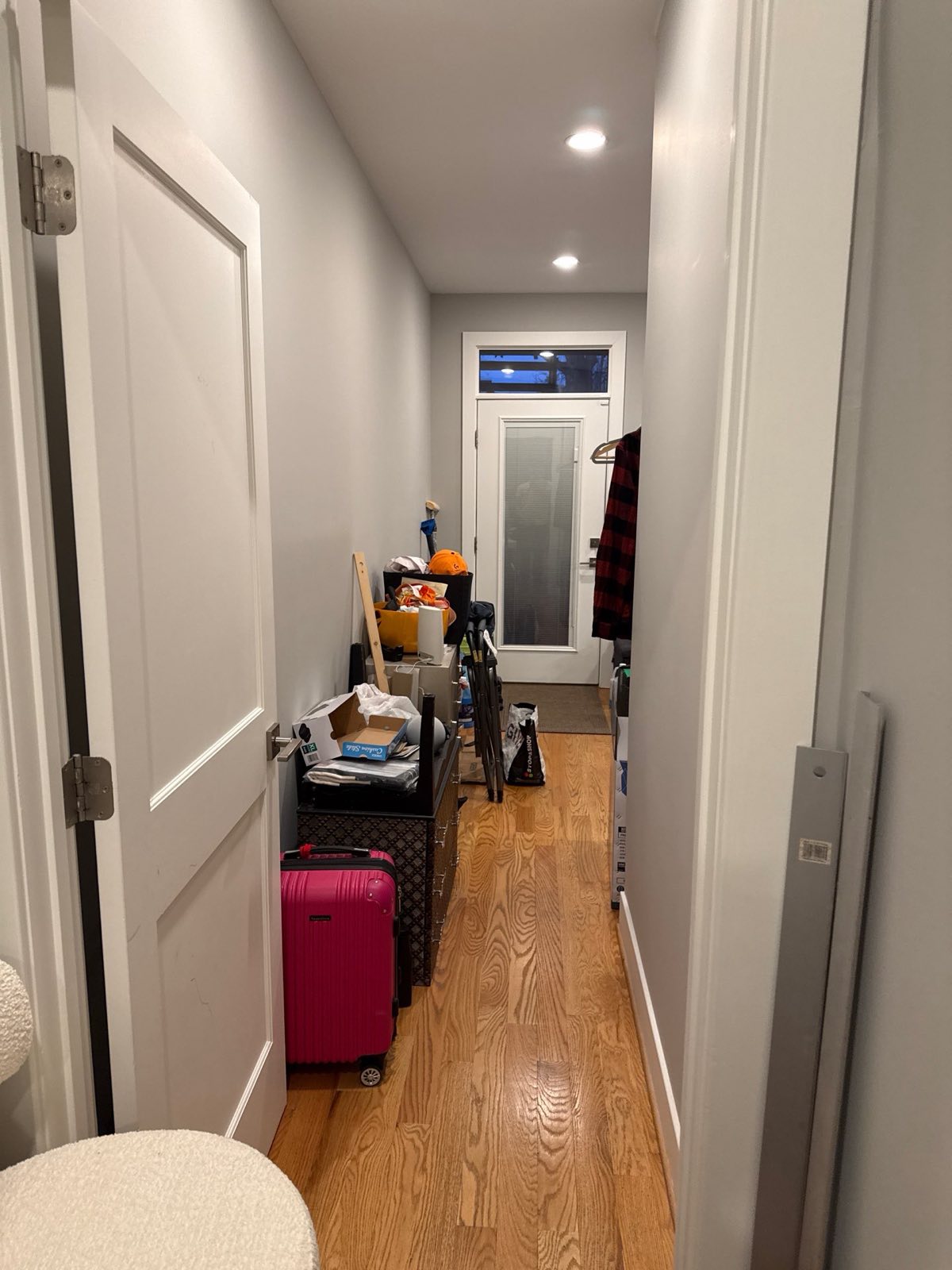
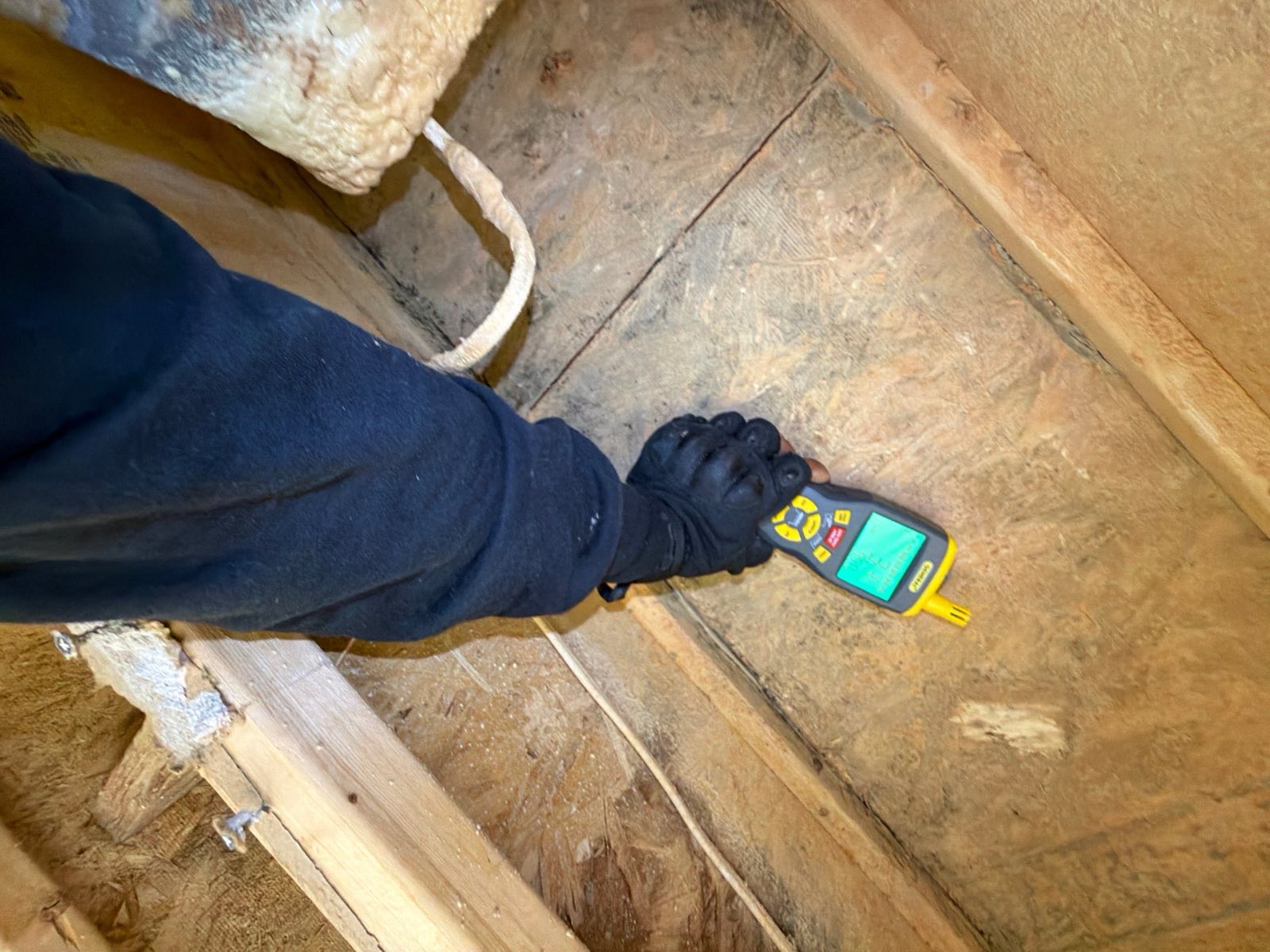
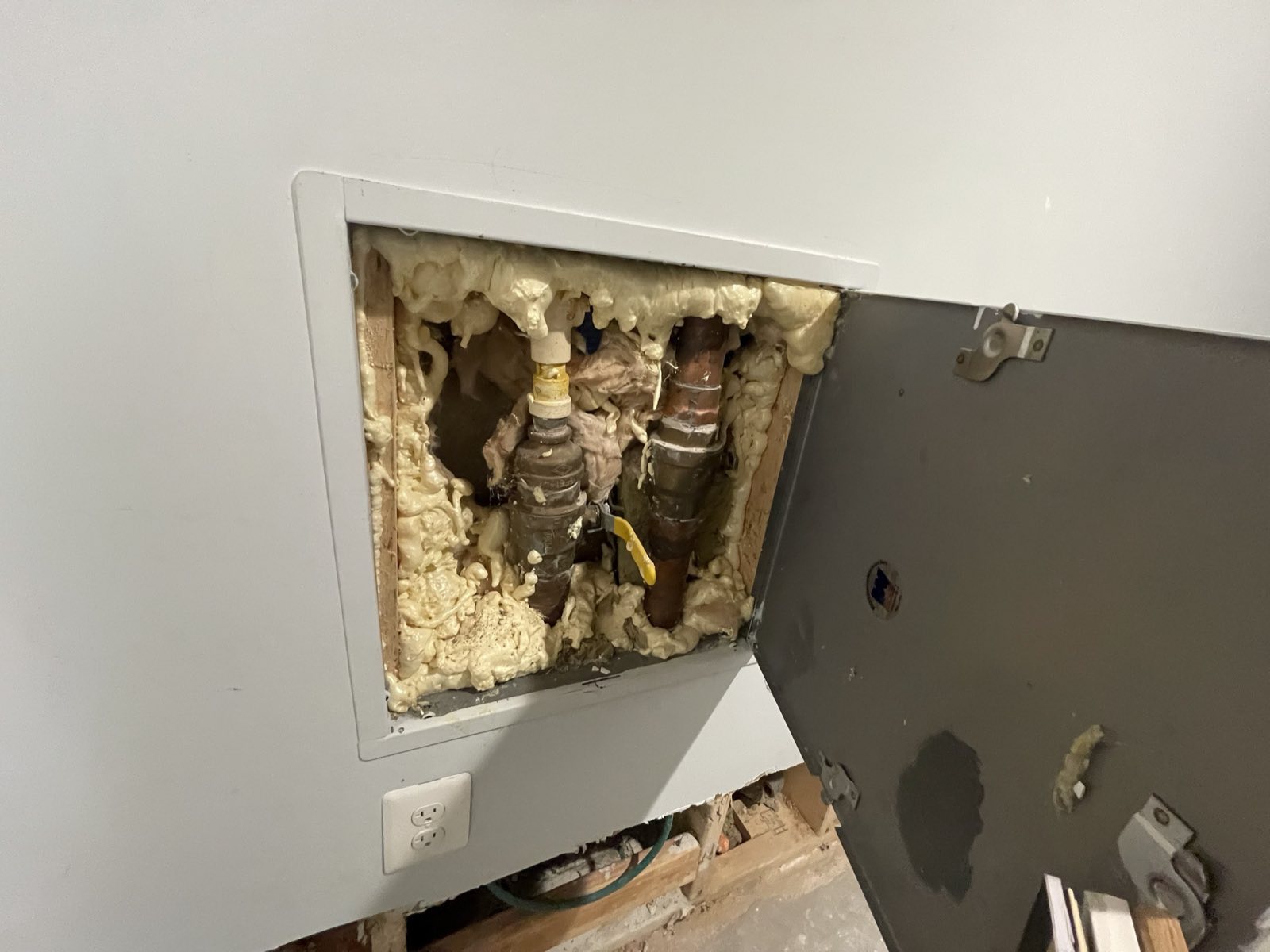
Emergency Flood Response & Structural Drying
Restoration Doctor water damage restoration response in Washington, DC, documented end to end. A 640-photo CompanyCam log records the before conditions, active mitigation, and the finished result shown here.
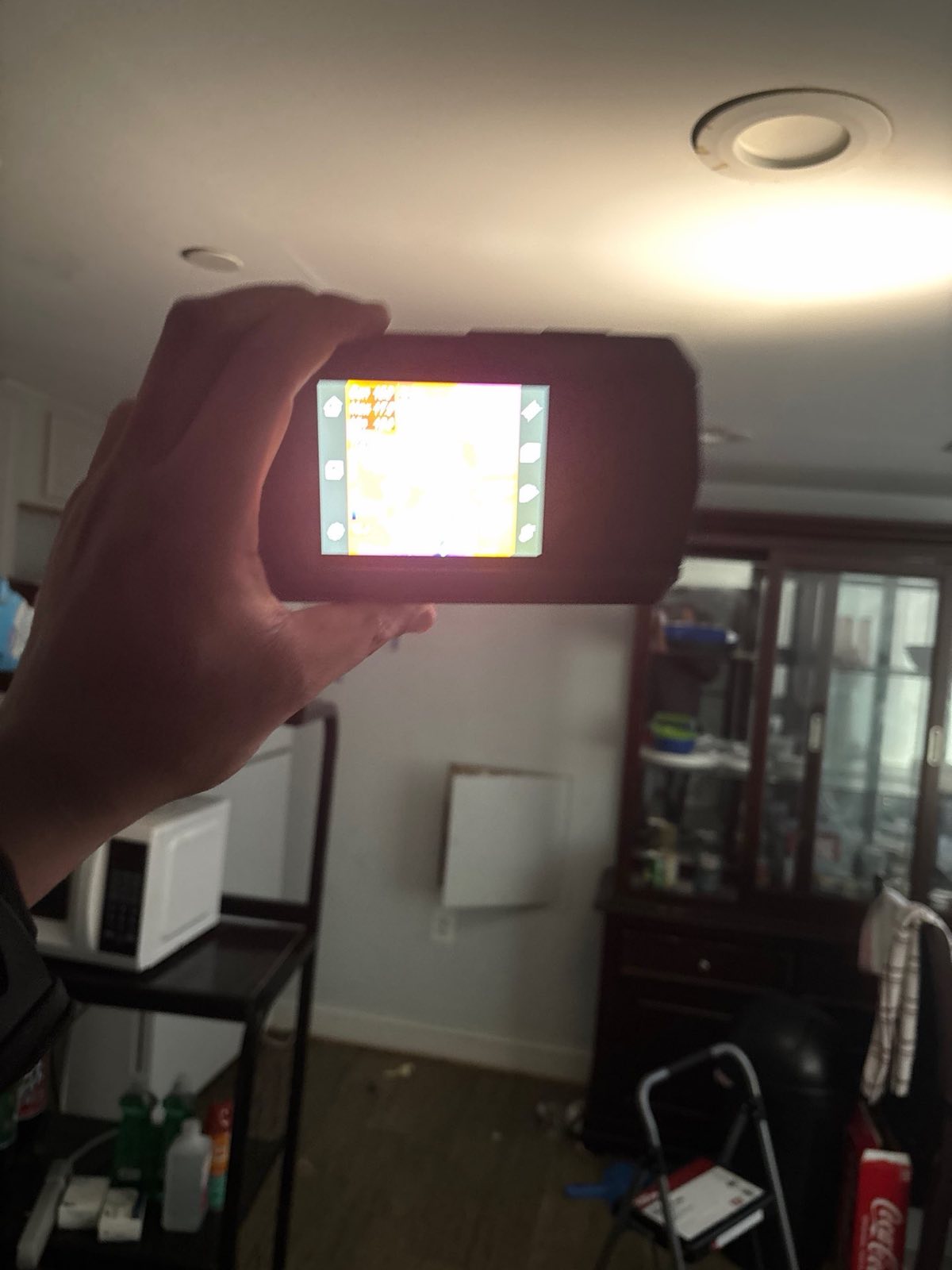
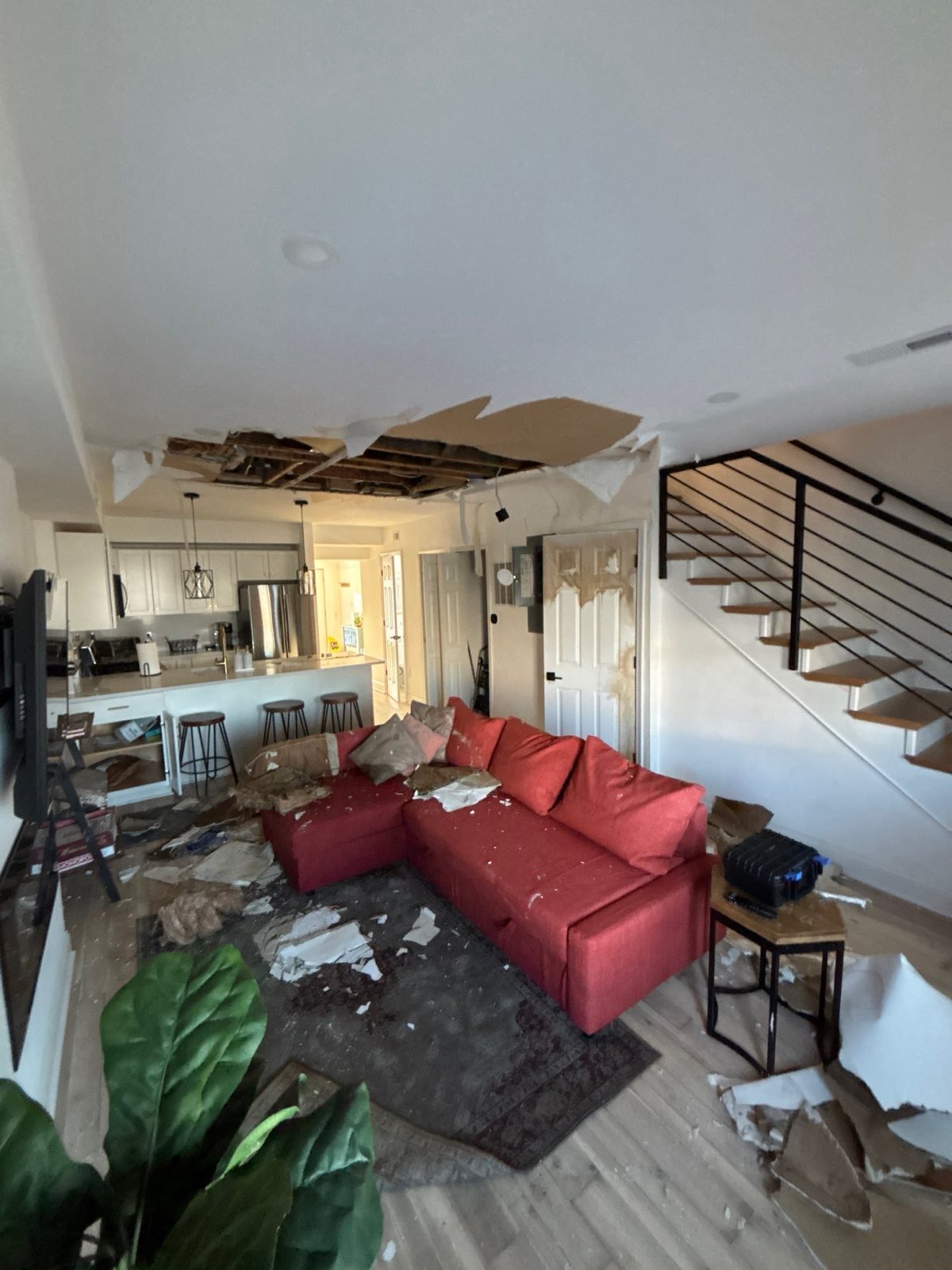
Water Damage Demolition & Structural Drying
Documented water damage restoration project in Washington, DC. The Restoration Doctor crew logged 441 CompanyCam photos across the project — from first-response conditions through moisture readings, equipment placement, and verified dry-out.
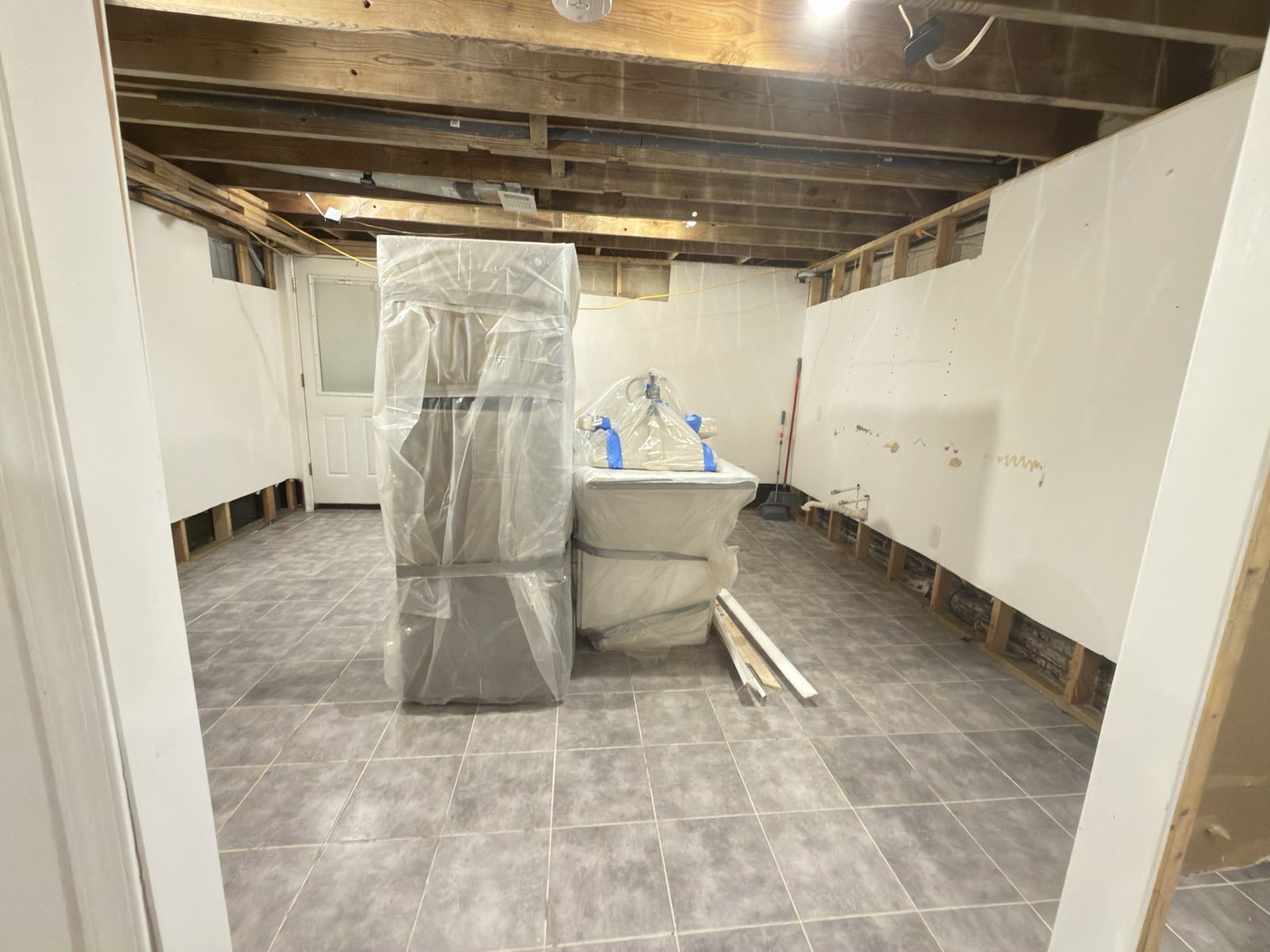
Ceiling Leak Demolition & Structural Drying
Photo documentation from a water damage restoration job in Washington, DC. The project file holds 1,318 CompanyCam photos tracking conditions from arrival through structural drying and completion.
Frequently asked
Active water, mold, fire, or sewage event?
Connect directly with the Restoration Doctor team for your region. Crews are on standby 24/7 with documented response protocols.