
Smoke and Soot Cleaning in Washington, DC
Restoration Doctor of Washington DC cleans soot and smoke residue in Washington, DC by surface type, using dry-cleaning sponges and HEPA vacuums on dry soot and degreasers on greasy residue, and treats odor at the source. Work follows ANSI/IICRC S700. Call (202) 922-1444 at any hour.
Updated October 2026
At a glance
- Phone
- (202) 922-1444
- Hours
- 24 hours a day, 7 days a week
- Response
- On-site in as little as 60 minutes in Washington, DC**Response times vary based on crew availability and demand.
- Service area
- All four quadrants of Washington, DC
- Services
- Water damage, sewage cleanup, mold remediation, fire damage, storm damage, reconstruction, extraction & drying, hardwood floor drying, roof tarping, smoke & soot cleaning, contents pack-out
- DC license
- DC Basic Business License #410524000721Held by VA Water Damage LLC dba Restoration Doctor
- Maryland license
- MD Home Improvement (MHIC) #167541Held by VA Water Damage LLC dba Restoration Doctor
- Certification
- IICRC-certified, S500 / S520-aligned
Soot is a cleaning problem and smoke odor is a separate one
A fire leaves two different things behind. Soot is a residue on surfaces: ceilings, walls, cabinets, glass, tile and hard contents. Smoke odor is what stays in porous material and in the air after the residue is gone, and it travels where the fire never did. Treating one does not treat the other, so the crew works in order: residue first, then odor at its source.
Soot is acidic. Within hours it can etch glass, discolor metal and stain grout, and cosmetic soot that could have been cleaned becomes damage that has to be replaced. The larger picture of a fire loss, including the suppression water and the rebuild, is on the fire and smoke damage restoration page. This page covers the cleaning.
Residue is cleaned by surface, because it is not the same everywhere
Dry, powdery soot from a fast-burning fire is removed with dry-cleaning sponges and HEPA vacuums. Greasy, protein-based residue from a kitchen fire needs solvent cleaning and degreasers. The crew matches the method to the residue on ceilings, walls, cabinetry and hard contents, and HEPA-filters the air so fine particulate is not pushed around the home.
Wiping sooty surfaces before the crew arrives grinds acidic soot into the finish, and running the HVAC pulls smoke and particulate through the ducts into rooms the fire never reached. Once you are cleared to retrieve essentials, leave both alone.
Odor is treated at the source
Fragrance and odor bombs only mask smoke odor. The crew neutralizes it at the source with thermal fogging, hydroxyl or ozone treatment and sealing of odor-bearing surfaces where appropriate, and cleans the duct system so the HVAC is not recirculating the smell through the rebuilt home. Which of these applies depends on the loss, and the crew tells you which it is using and why.
This page does not state a number of treatments or a clearance level, because the project file below records neither.
Smoke does not stop at the unit that burned
In attached rowhouses and apartment buildings, smoke moves through shared wall cavities and along floor framing into neighboring units, so a home the fire never reached can still need smoke and odor work. The crew assesses and treats the affected surfaces in adjacent homes, neutralizes odor at the source, cleans the HVAC and documents it.
A Washington, DC apartment fire file from August 2025
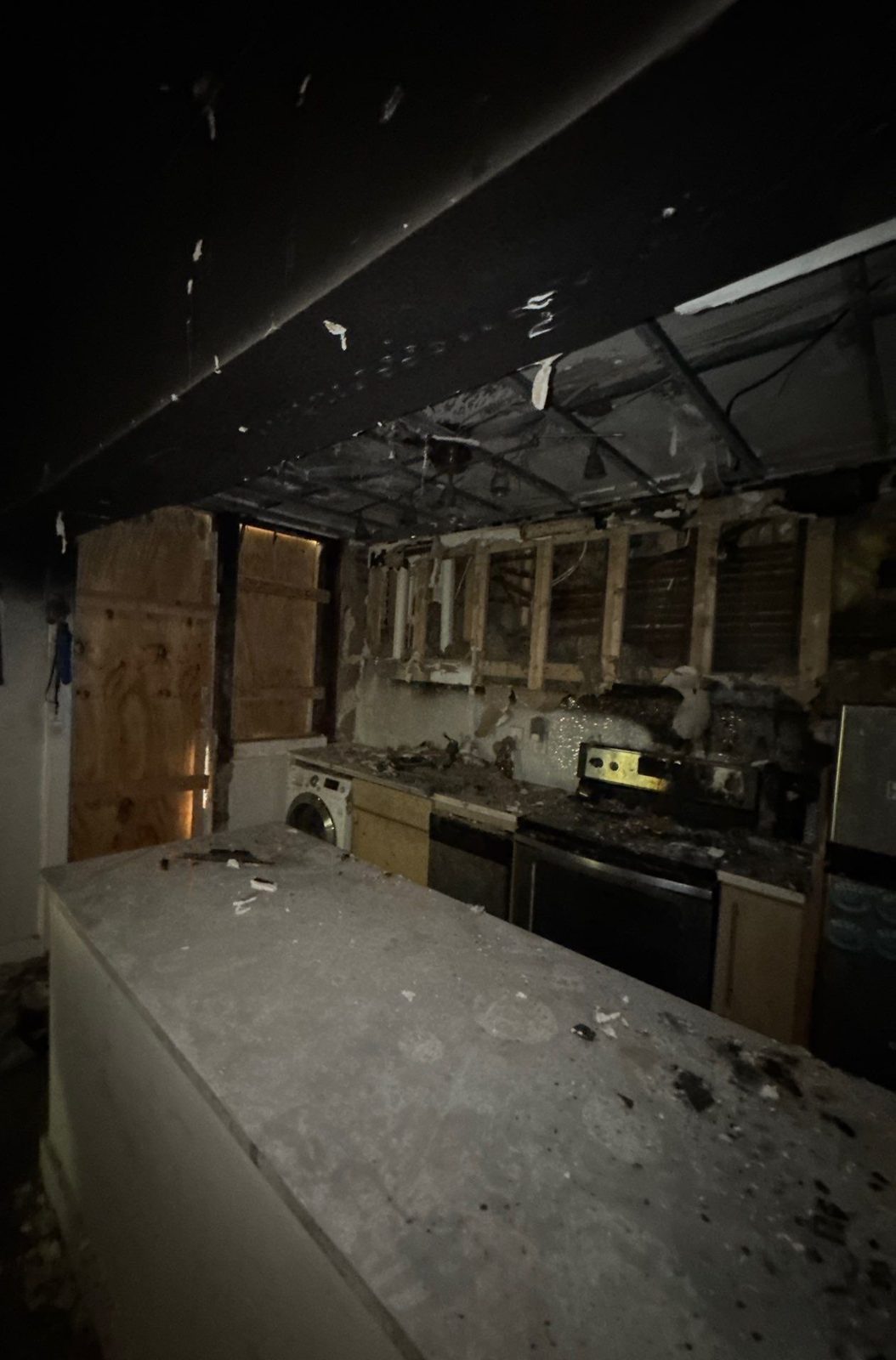
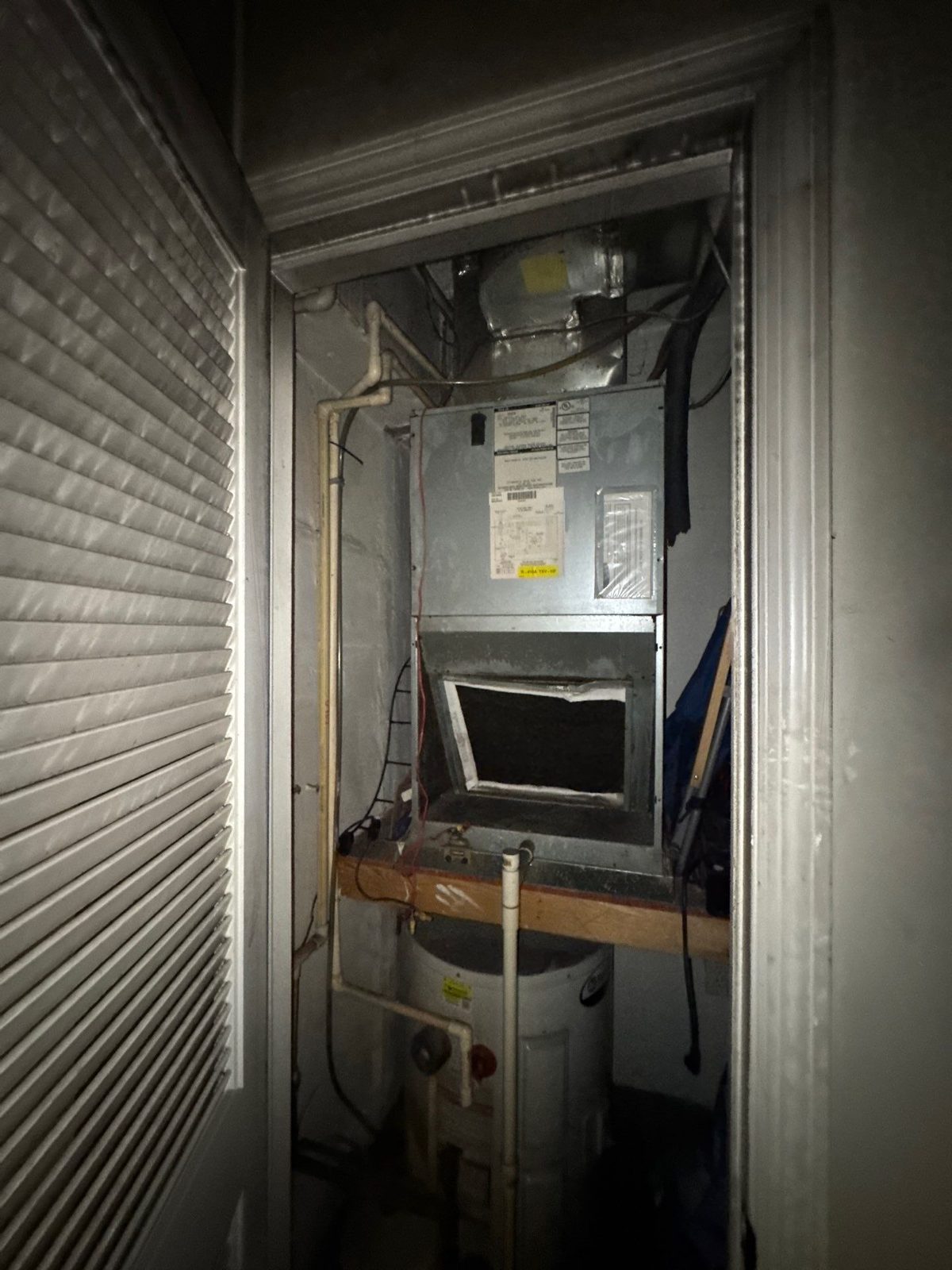
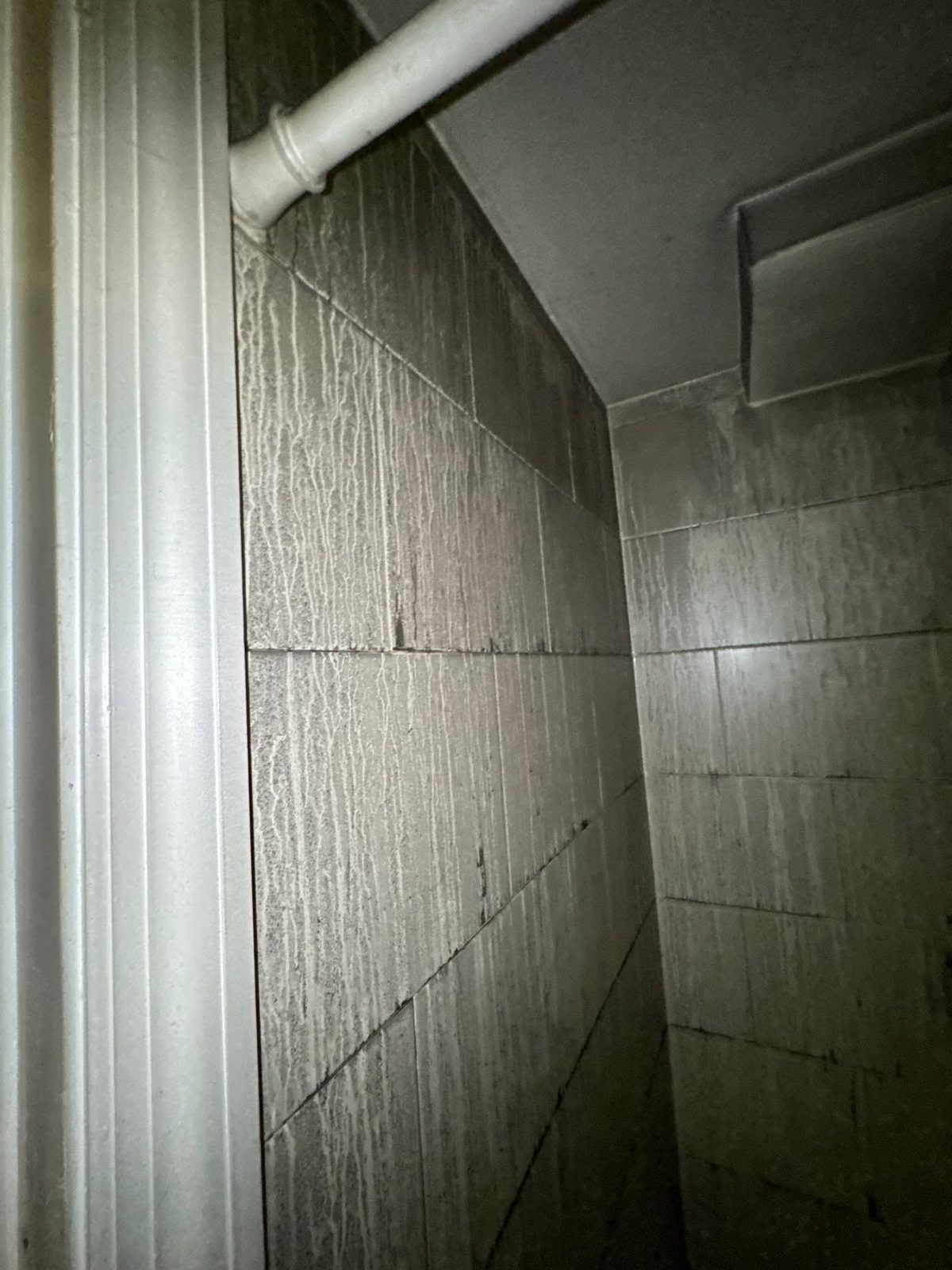
The project file below holds 52 photographs from a walkthrough of a fire-damaged apartment in Washington, DC, in August 2025. They show soot over the ceilings and walls of the living areas, a kitchen with a burned ceiling opened to the framing and burned cabinets and appliances, soot streaks on bathroom tile, an air handler in a closet, plywood over windows and thermal-camera scans.
The walkthrough shows no cleaning, so this page claims no method, result or timeline for that file. The residue type, the odor method and the outcome are not recorded in it.
For a fire loss happening now, see 24/7 emergency restoration in Washington, DC.
Documented Washington, DC projects
Apartment Fire and Soot Damage
Fire-damaged apartment in Washington, DC, August 2025. The file's 52 photographs show soot on ceilings and walls, a kitchen with a burned ceiling opened to the framing, soot on bathroom tile and thermal-camera scans.
Frequently asked
Active water, mold, fire, or sewage event?
Connect directly with the Restoration Doctor team for your region. Crews are on standby 24/7 with documented response protocols.