What to Throw Out (and Keep) After Water Damage in DC

BYSteve Jafari, General ManagerWASHINGTON DC & SOUTHERN MARYLAND
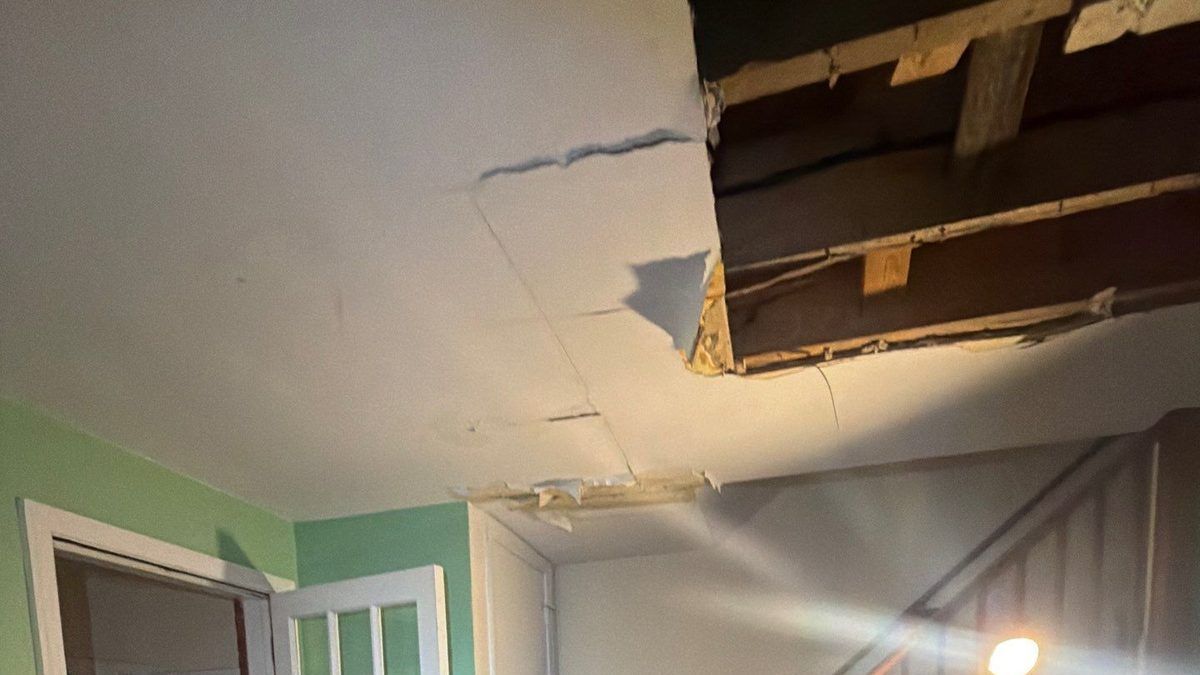
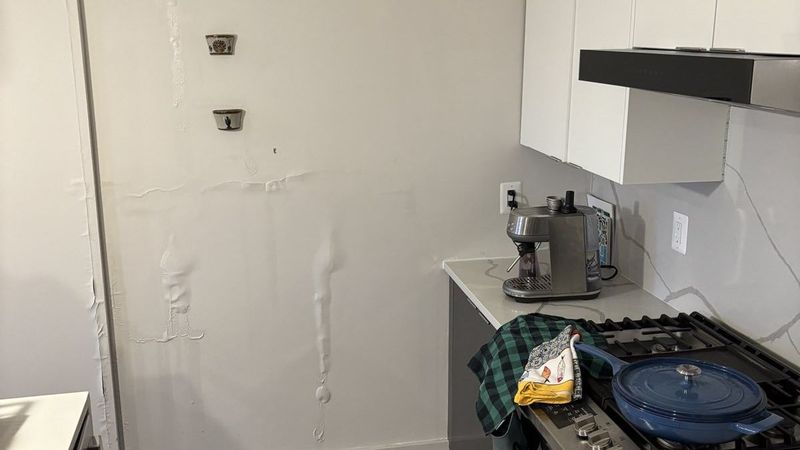
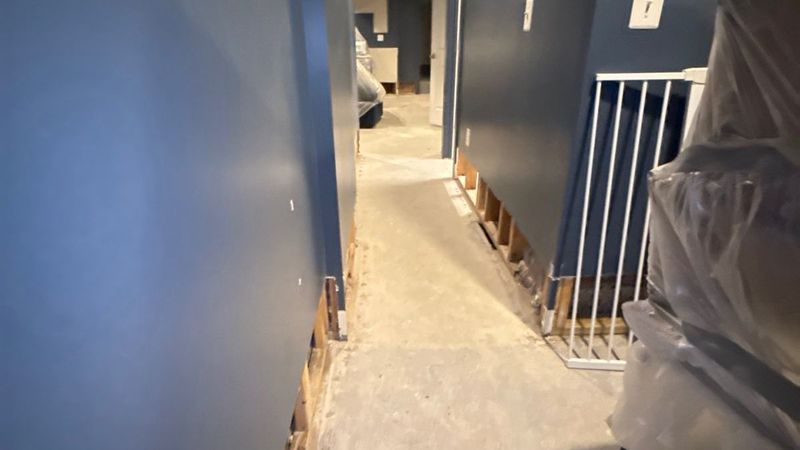
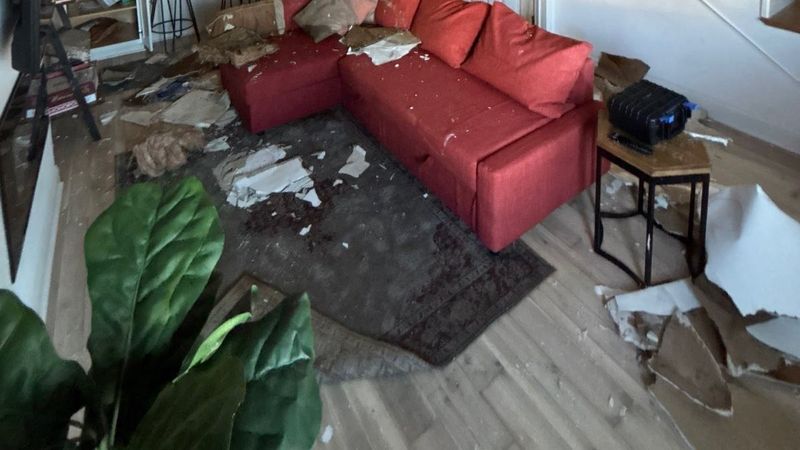
What to throw out after water damage comes down to two things: whether the material is porous and which category of water touched it. Porous items soaked by clean water for many hours, and almost anything touched by gray or black (Category 2 or 3) water, should be discarded; hard non-porous surfaces can usually be cleaned, dried, and kept. Mold can begin growing on wet porous materials within roughly 24 to 48 hours, so these decisions can't wait days. Before you throw anything away, photograph it, log it, and set it aside so your claim documentation stays intact.
Call (202) 922-1444What should you throw out after water damage?
After water damage, throw out porous materials that stayed wet long enough to absorb water, and throw out nearly anything contaminated by gray or black water regardless of what it's made of. These are the items that trap moisture, grow mold, and cannot be reliably cleaned back to a safe condition. Knowing what to throw out after water damage protects your health and keeps a small problem from turning into a mold remediation project.
The deciding factors are the same ones restoration professionals use under the ANSI/IICRC S500 standard: the porosity of the material and the category of the water. A solid oak dining table that got splashed with clean supply-line water is a very different decision than a carpet pad that sat in sewage backup overnight. One wipes down and dries; the other goes in a contractor bag.
In older DC row houses and English basements, this matters even more. Plaster walls, original wood trim, and finished basement carpet all respond differently to water, and the humidity that lingers in a below-grade space keeps porous materials wet far longer than they would stay wet on an upper floor. A basement rec room and a second-floor bedroom can take the same gallon of water and end up with completely different keep-or-toss lists. When in doubt, document the item and ask a restoration technician before you either toss it or try to save it.
What's the difference between porous and non-porous materials?
Porous materials have tiny open spaces that soak up and hold water — things like carpet pad, drywall, insulation, upholstered furniture, and particleboard. Non-porous materials have a sealed, hard surface that water sits on top of rather than soaking into, like glass, glazed tile, sealed hardwood, metal, and solid plastic. Porous items are the hardest to dry and the most likely to be thrown out; non-porous items are usually cleanable and salvageable.
Semi-porous materials fall in between — unsealed wood, concrete, and some grout absorb water more slowly and can sometimes be dried in place with proper equipment and monitoring. The outcome depends heavily on how long they were wet and how clean the water was. A plywood subfloor wet for two hours under clean water is a drying candidate; the same subfloor wet for three days under gray water usually is not.
This is why a quick visual guess isn't enough. A microfiber couch may look fine after it dries on the surface, but the foam cushioning underneath can stay saturated for days, feeding mold inside the cushion where you can't see it. Restoration decisions weigh the material, the water category, and the drying time together — not just how an item looks.
| Material type | Examples | Typical outcome |
|---|---|---|
| Non-porous | Glass, glazed tile, metal, sealed hardwood, solid plastic, finished countertops | Usually cleaned, disinfected, dried, and kept |
| Semi-porous | Unsealed wood, concrete, subfloor, grout | Sometimes saved with professional drying and monitoring |
| Porous | Carpet pad, drywall, insulation, upholstered furniture, mattresses, particleboard | Usually thrown out, especially with gray or black water |
How does water category decide what you keep or toss?
The water category decides how aggressive you have to be, because it tells you what's in the water. Under IICRC S500, Category 1 is clean water from a sanitary source like a supply line or an appliance intake, Category 2 (gray water) carries significant contamination such as washing-machine or dishwasher discharge, and Category 3 (black water) is grossly contaminated — sewage backup, toilet overflow with solids, or flooding from rivers and ground surface water outside. The dirtier the water, the more you discard.
With Category 1 clean water caught quickly, many porous items can still be dried and saved. But clean water doesn't stay clean: once it soaks into dirty materials or remains standing — as a general guideline, beyond about 24 to 48 hours depending on temperature and conditions — it can degrade to Category 2 and eventually Category 3. Time is the hidden variable that quietly moves items from the keep pile to the throw-out pile.
Category 3 water changes the rules entirely. Porous materials it touches — carpet, pad, drywall wicking the moisture upward, insulation, and upholstery — are discarded as a matter of protocol, not preference, because they cannot be reliably disinfected. If you've had a sewage backup, our team follows Category 3 protocols with appropriate protective equipment and containment, and that work is detailed on our /services/sewage-cleanup page.
- Category 1 (clean): more porous items are savable if dried fast
- Category 2 (gray): most saturated porous items discarded; non-porous cleaned
- Category 3 (black): all contaminated porous materials discarded, hard surfaces disinfected
- Any category left standing for a day or more should be treated as more contaminated than it started
What items almost always get thrown out after water damage?
Some items are discarded in nearly every water-damage loss because they hold contamination and can't be restored to a safe, sanitary state. These are the usual items to throw out after water damage, especially once gray or black water is involved or once clean water has sat for a day or more.
The list below reflects the materials that fail on both counts — highly porous and difficult or impossible to disinfect internally. When these are saturated, the health risk and the effort of trying to save them outweigh replacement. Anything that touches your mouth, your skin for long periods, or a child — food, medicine, mattresses, baby gear — gets the least benefit of the doubt.
- Carpet padding soaked by any water (it acts like a sponge and rarely dries clean)
- Wet carpet touched by Category 2 or 3 water
- Drywall and plaster that wicked water upward or crumbles when pressed
- Wet fiberglass or cellulose insulation
- Upholstered furniture and mattresses saturated by gray or black water
- Particleboard, MDF, and laminate furniture that has swelled
- Soaked ceiling tiles
- Food, cosmetics, and medicine contacted by floodwater
- Pillows, stuffed animals, and padded items soaked by contaminated water
- Baby items and car seats exposed to sewage water
What can you usually keep and clean after water damage?
You can usually keep hard, non-porous items that water sat on top of rather than soaked into, as long as they're cleaned and disinfected properly. Glass, metal, glazed ceramic, sealed solid wood, and solid plastics typically survive even Category 2 and 3 exposure once professionally cleaned.
Many sentimental and valuable items can also be recovered with specialized handling even when they got wet. Photographs, documents, and books can sometimes be air-dried or sent to freeze-drying specialists; hard-surface furniture can be cleaned and refinished. The key is to separate these from the discard pile early and keep them out of standing water and high humidity while you wait on professional guidance.
In DC's older homes, original solid-wood trim, doors, and certain hardwood floors are often worth trying to save through controlled drying rather than demolition. A technician measures the moisture content and monitors it daily against a dry standard before deciding — that process is central to our /services/water-damage-restoration work, and it's often what preserves the irreplaceable character of a historic row house.
- Glass, metal, and glazed ceramic dishware and fixtures
- Sealed hardwood furniture and solid-wood pieces (cleaned and dried)
- Non-porous plastics and sealed countertops
- Jewelry, coins, and metal valuables
- Photos, documents, and books (may need freeze-drying specialists)
- Clothing and washable linens from clean-water losses (launder in hot water)
How do you document discarded items for an insurance claim?
Document every discarded item before it leaves your home: photograph it, note what it is, and record its approximate age and value. Thorough documentation is what lets your claim account for the property you lost, so never throw anything away until it's been photographed and logged. This single habit protects the value of your claim more than almost anything else you can do.
Restoration Doctor of Washington DC is hired directly by you, the property owner, under a written agreement, and we hand you the project documentation to support your own claim — an Xactimate scope, CompanyCam photo documentation, and daily moisture logs. We don't interpret your policy or negotiate with your insurer, so your own records of discarded contents are an important companion to the structural documentation we provide.
Build your own contents inventory as you go. For each thrown-out item, capture a clear photo, a short description, the room it came from, and a rough purchase date and cost if you know it. Keep a representative piece when it's safe to — a carpet swatch, a cabinet door — and bag contaminated items separately. If your claim process raises questions, our /faq page covers how our documentation fits alongside the homeowner's role, and our guide at /blog/xactimate-explained-dc-homeowners walks through how an Xactimate scope is built.
| Detail | Why it matters |
|---|---|
| Clear photo (and video) | Proves the item existed and shows the damage |
| Item description and room | Ties the loss to the affected area |
| Approximate age and purchase cost | Supports valuation on the claim |
| Water category and damage notes | Explains why the item couldn't be saved |
| Representative sample or tag | Physical backup when safe to keep |
Should you throw things out before or after the adjuster sees them?
Don't throw anything out until it's fully documented, but you don't always have to wait for an adjuster to physically see every item. Contaminated and health-threatening materials — anything touched by sewage or standing water — should be removed promptly once photographed and logged, because leaving them in place spreads contamination and worsens the damage.
The safest sequence is: stop the water source, photograph and inventory everything, separate salvageable from non-salvageable, and bag or remove the clearly contaminated porous items while preserving your documentation. Most homeowner policies place a duty on you to mitigate ongoing damage, and your photos and logs stand in for items that had to go before anyone could inspect them in person.
If you're unsure whether something should wait, keep a representative sample and hold it in a garage or outdoor area rather than leaving a saturated, moldy item inside your living space. For structural materials, our technicians document the condition and moisture readings before any demolition, so the removal itself is recorded as part of the scope. That way the question of whether to wait for the adjuster never has to come at the expense of your health or your home.
How soon do you have to decide what to throw out?
You have to decide quickly — mold can begin growing on wet porous materials within roughly 24 to 48 hours, so saturated contents and materials are often removed within the first day or two. The longer porous items stay wet, the more the keep pile shrinks and the more the toss pile grows.
This timeline is compressed in DC's below-grade spaces. English basements and finished basements hold humidity, have limited airflow, and often sit against masonry foundation walls that stay cool and damp, all of which keep carpet, drywall, and insulation wet longer and push them toward mold faster. Acting fast is what keeps a water loss from becoming a mold remediation project, which we handle under the ANSI/IICRC S520 standard — see our /services/mold-remediation page for how that work differs from drying alone.
Because timing matters this much, the practical move after discovering water is to shut off the source, start documenting, and get a professional assessment underway rather than waiting days to see what dries on its own. Restoration Doctor of Washington DC (DC DLCP #410524000721) responds to emergencies across Washington, D.C. and Southern Maryland — reach us any time through /contact or at (202) 922-1444.